the journal
issue 06 - Reflections
Why Some Stories Don't Need Colour
Published · August 2026 8 minute read
Sometimes the less we see, the more we begin to understand.
Colour is extraordinary. It can transform an ordinary photograph into something vibrant, dramatic and impossible to ignore. A blue sky, a bright red umbrella or the golden light of a summer evening can become the first thing our eyes notice. Sometimes that's exactly what a photograph needs.
Sometimes it isn't.
Over the years I've found myself returning to black and white again and again—not because I dislike colour, but because I occasionally want to remove it. Not to make a photograph look older. Not to make it appear more artistic.
Simply to allow something else to speak.
The Day I Began Seeing Differently
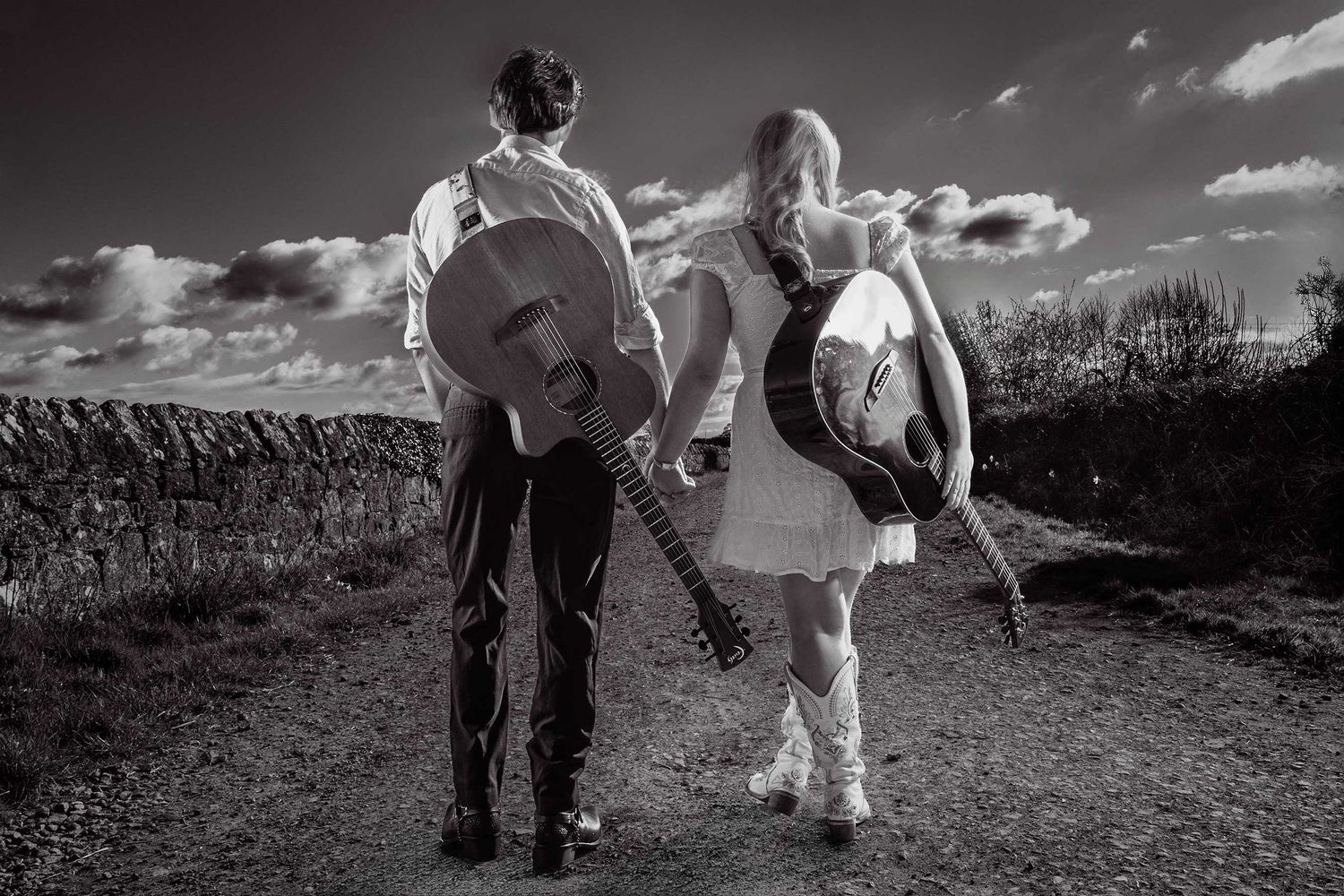
I don't remember the first black and white photograph I ever admired. I remember the first one that made me stop. It wasn't technically perfect. It wasn't dramatic. It simply felt...honest.
Without colour competing for attention, I found myself looking at expression, light, gesture and texture instead. The photograph slowed me down. It asked me to observe rather than glance. That's when I realised black and white wasn't an editing style.
It was another language.
George Didn't Need Colour
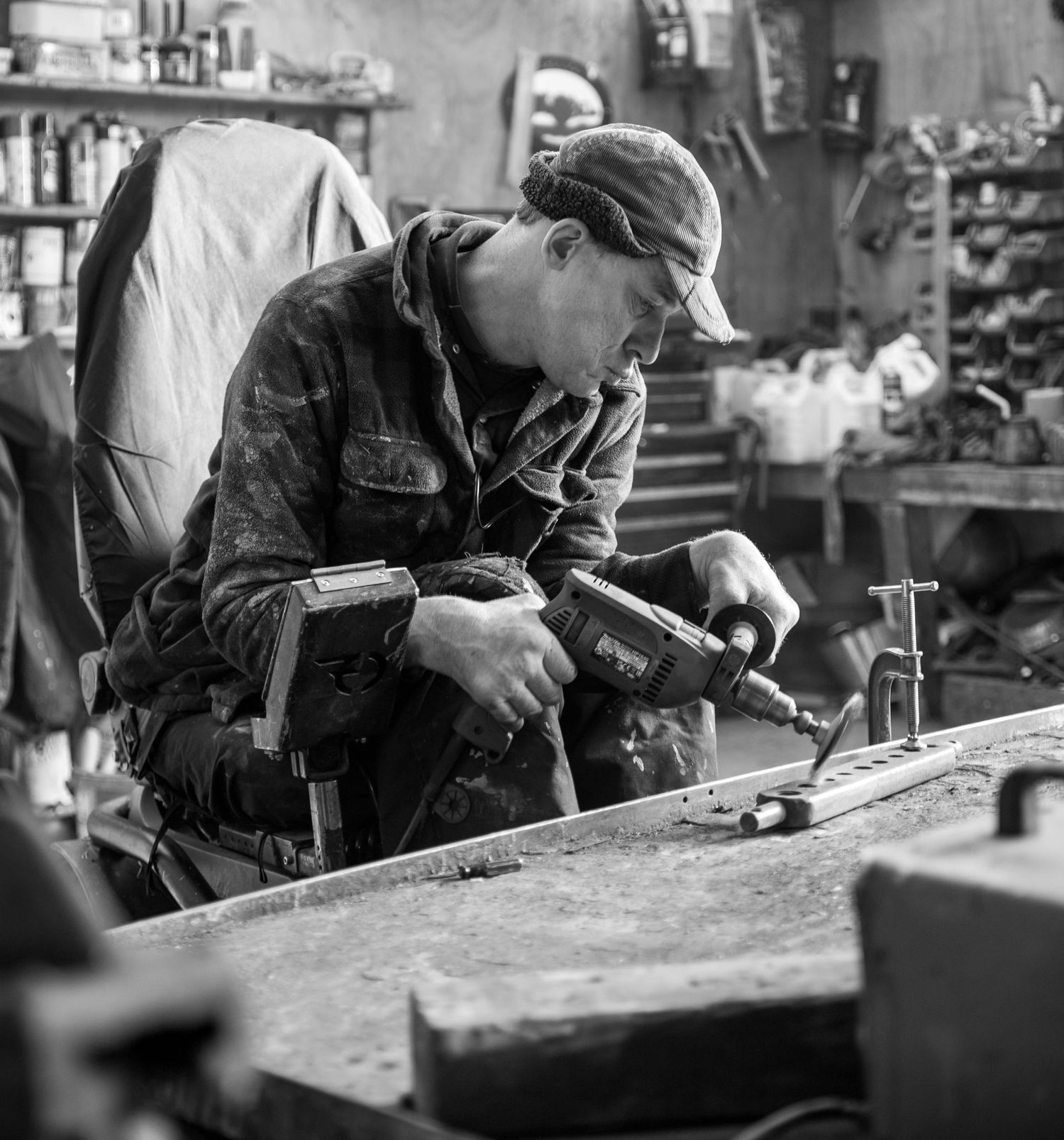
When I photographed George for Working Hands, his workshop was full of colour. Rust. Steel. Dust. Old paint. Grease. Tools collected over a lifetime.
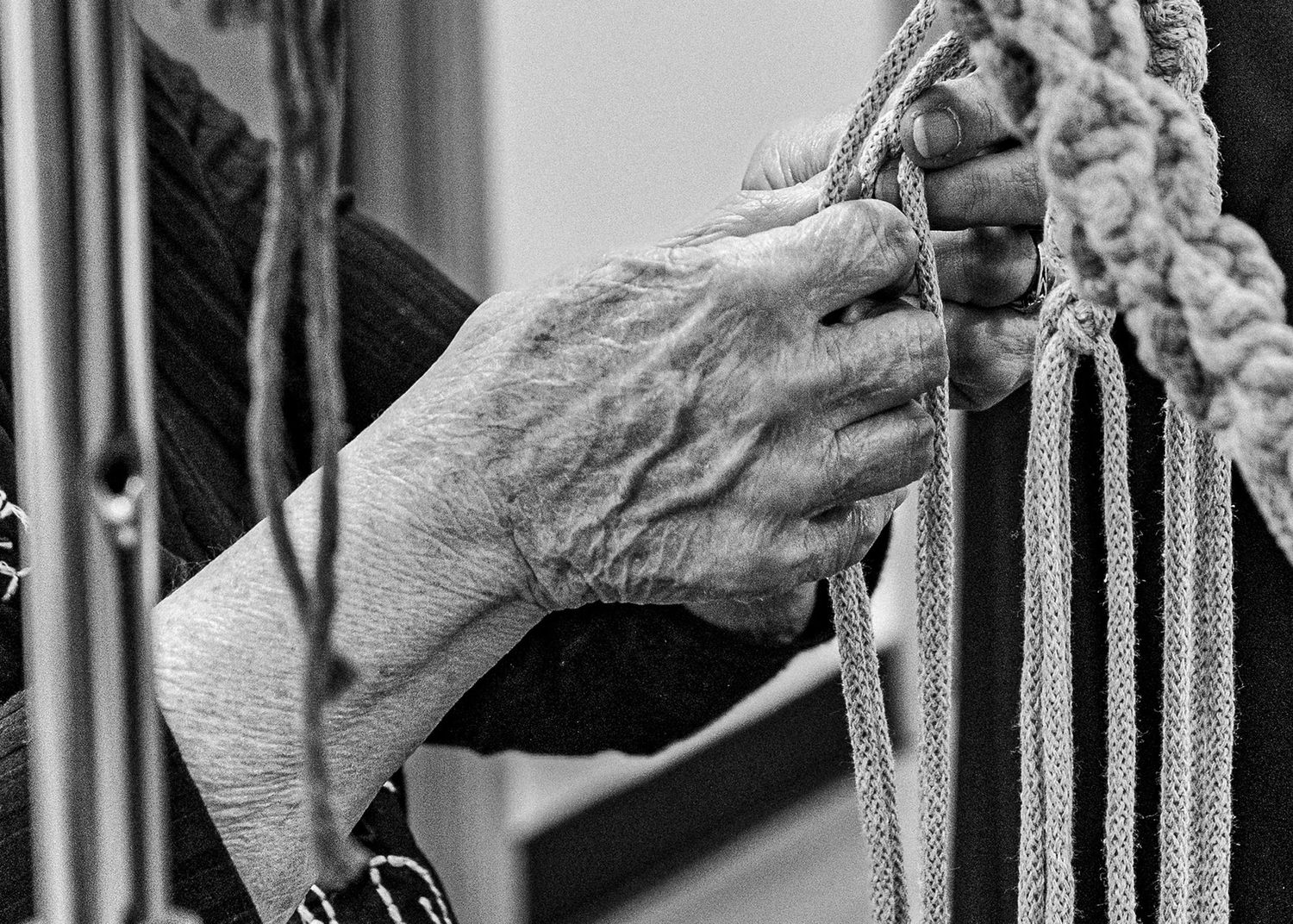
Yet none of those things interested me as much as his hands. Or his expression. Or the quiet confidence that came from decades of experience.
When I converted those photographs to black and white something unexpected happened. Nothing important disappeared.
Everything important became clearer.
Removing The Noise
Colour naturally attracts attention. Our eyes are designed that way. They notice contrast before emotion. Brightness before expression.
Black and white quietly reverses that process.
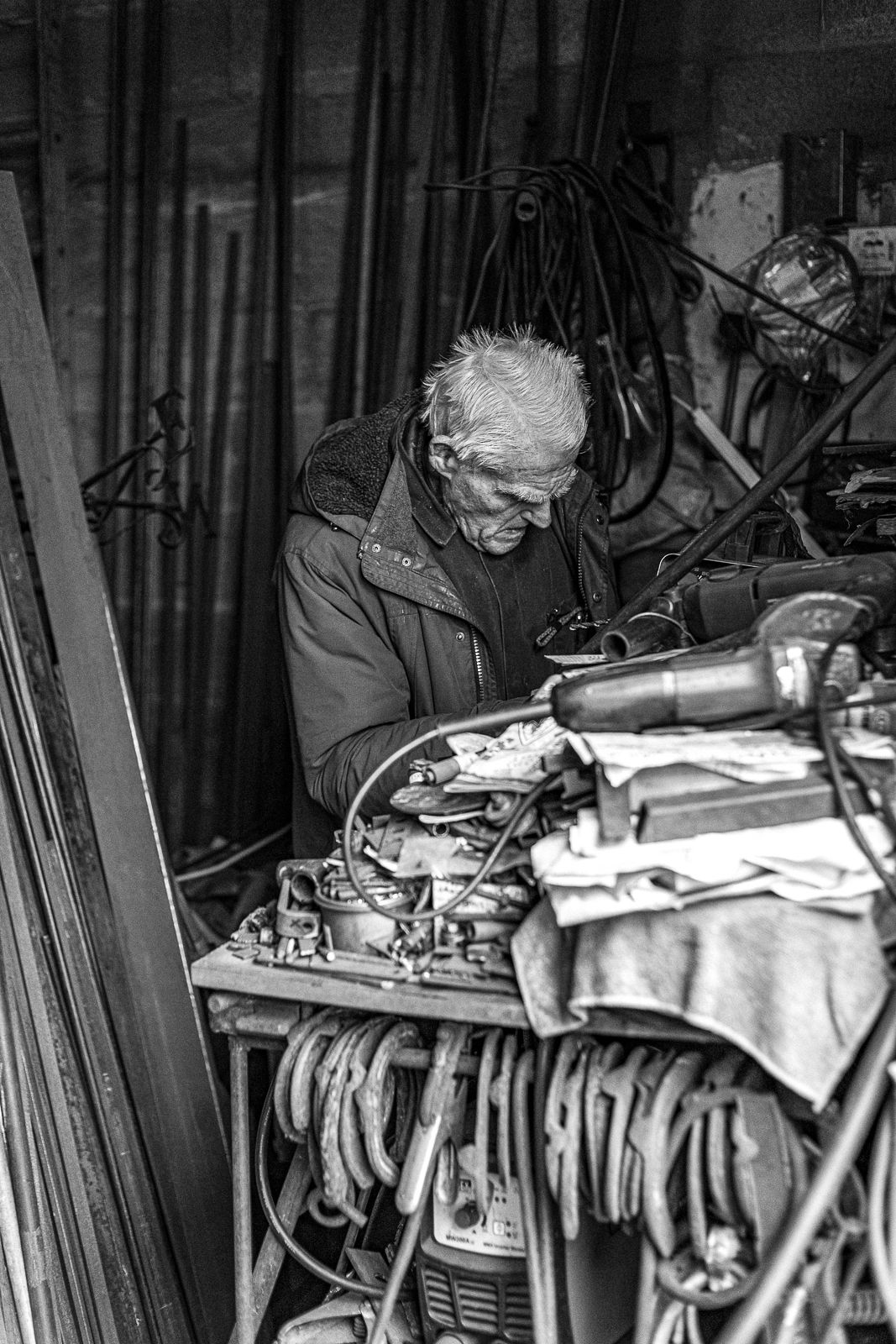
Without colour, we begin noticing different things. A glance between two people. A weathered face. Rain on a window. The folds in someone's hands. The way light falls across a room.
It encourages us to look beyond the obvious.
Perhaps that's why documentary photographers have continued returning to monochrome for generations. It isn't nostalgia.
It's clarity.
Light Becomes The Subject
Photography has always been about light. The word itself literally means "drawing with light." Colour photographs light. Black and white reveals it. Every shadow suddenly matters. Every highlight becomes part of the story.
Small changes that might have gone unnoticed begin shaping the entire image. It feels quieter. More deliberate.
Almost musical.
Timelessness
One of the things I love most about monochrome is that it quietly removes a photograph from a particular moment in time. Fashion changes. Paint colours change. Cars change. Technology changes.
Human emotion doesn't.
A father holding his daughter. Friends laughing. A craftsman concentrating. A man quietly reflecting on life. Those moments belonged fifty years ago. They belong today.
They'll belong fifty years from now.
Black and white reminds us of that.
It's Never The Right Choice...
...until it is.
I don't convert every photograph. Nor should I. Some stories deserve colour. The vivid blues and greens of an iris photograph. A bride's bouquet. Children playing beneath bright summer skies.
Removing colour there would remove part of the story. Good photography isn't about choosing black and white. It's about understanding why one serves the story better than the other. The photograph should always decide.
Not the photographer's preference.

Looking More Carefully
Black and white has changed the way I see long before it changed the way I edit. I now notice shadows before colours. Texture before brightness. Expression before clothing. People before places.
Perhaps that's why so much of my documentary work eventually becomes monochrome. It encourages me to keep looking beyond appearances. To search for something quieter.
Something more lasting. Something true.
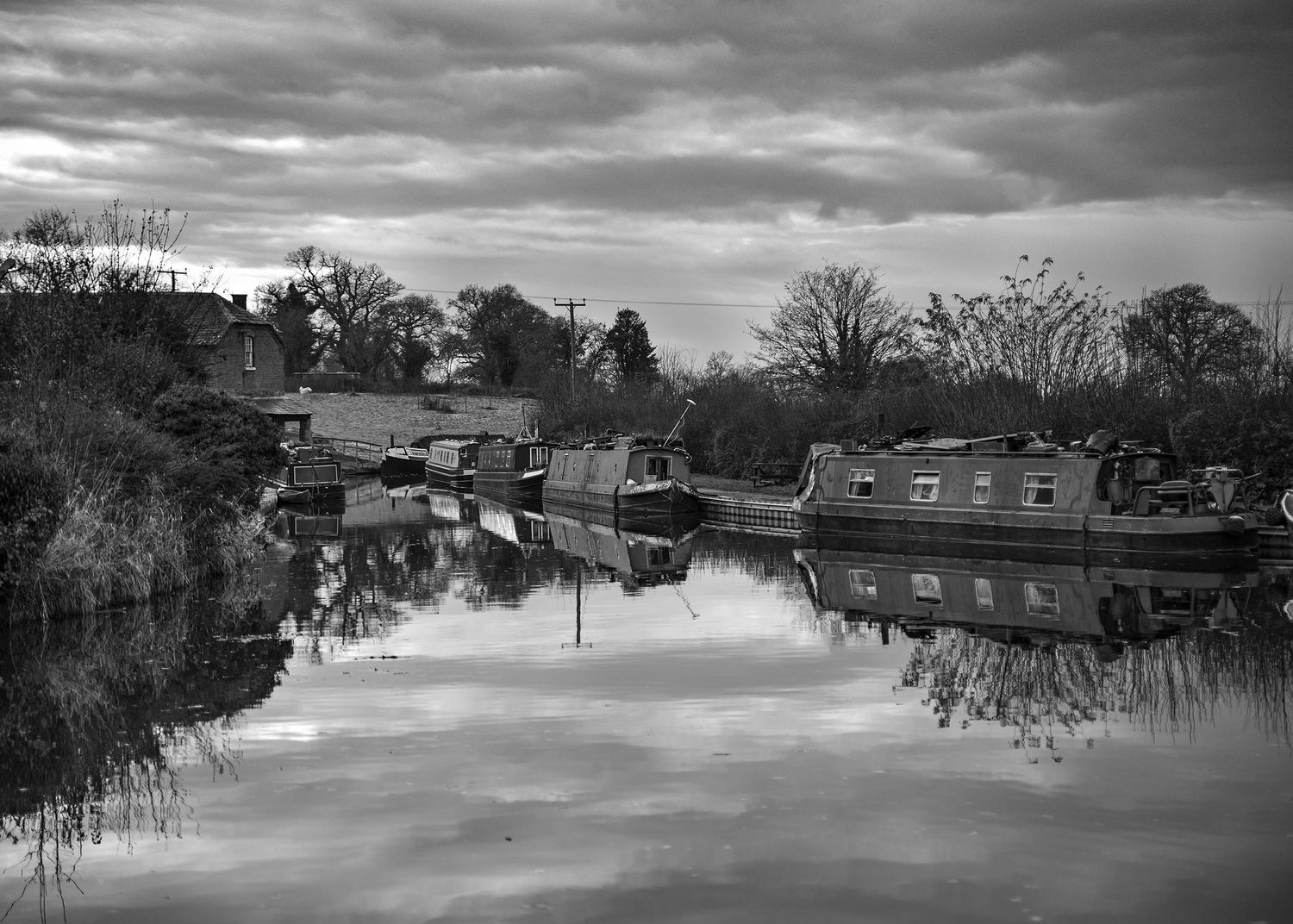
Colour shows us the world as it appears.
Black and white asks us to see it as it feels.
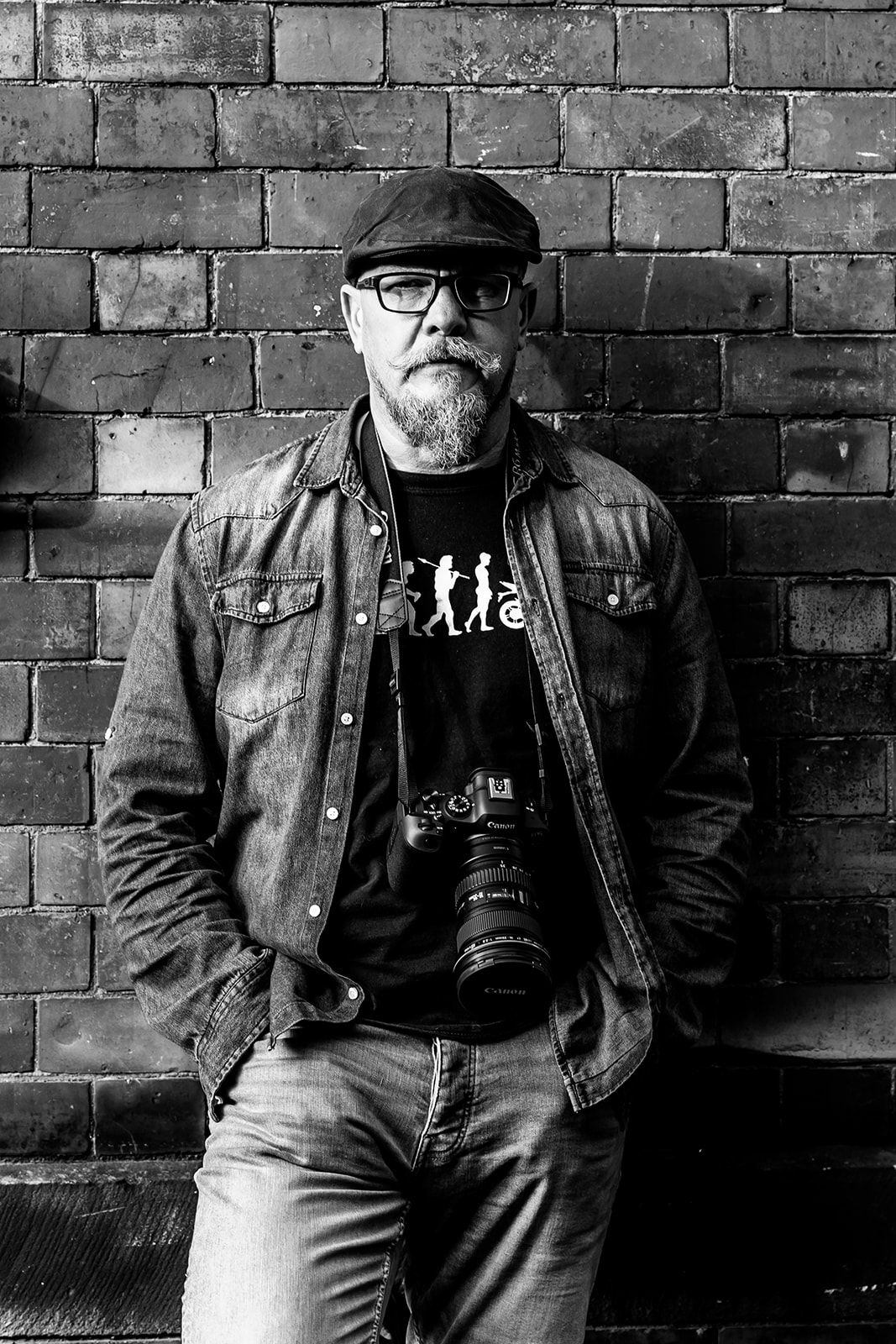
behind the camera
Rob Kirman
Photographer · Teacher · Storyteller
Black and white photography isn't about removing colour; it's about removing distraction. Whenever I choose monochrome, I'm asking the viewer to spend less time noticing what something looked like and more time understanding what it meant. That simple shift continues to shape the way I photograph people and tell their stories.
Continue reading
Photography has introduced me to remarkable people and unexpected stories. I hope you've enjoyed this one. You may also enjoy:
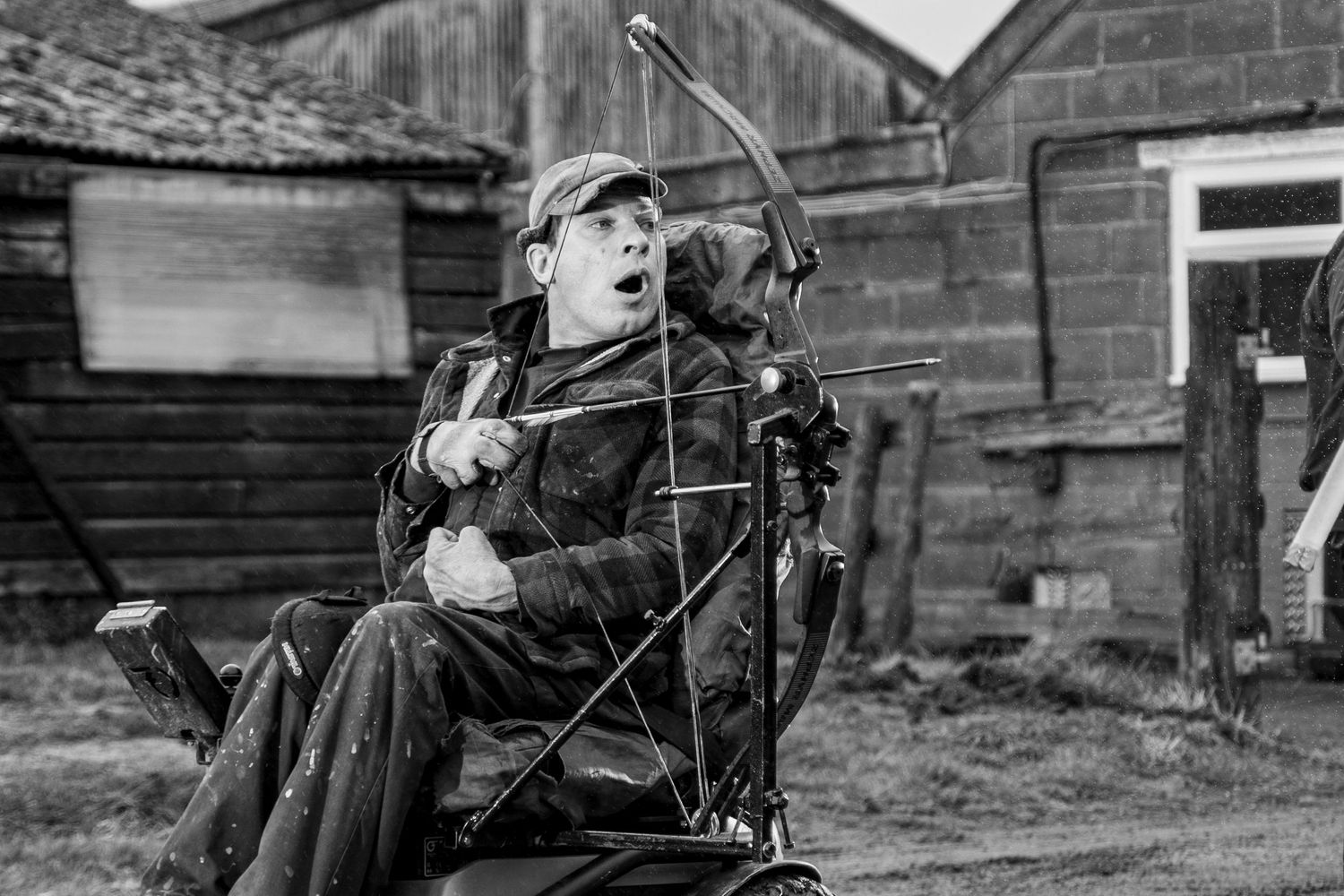
Pete
A story of resilience, humour and quiet determination that grew into an enduring friendship.
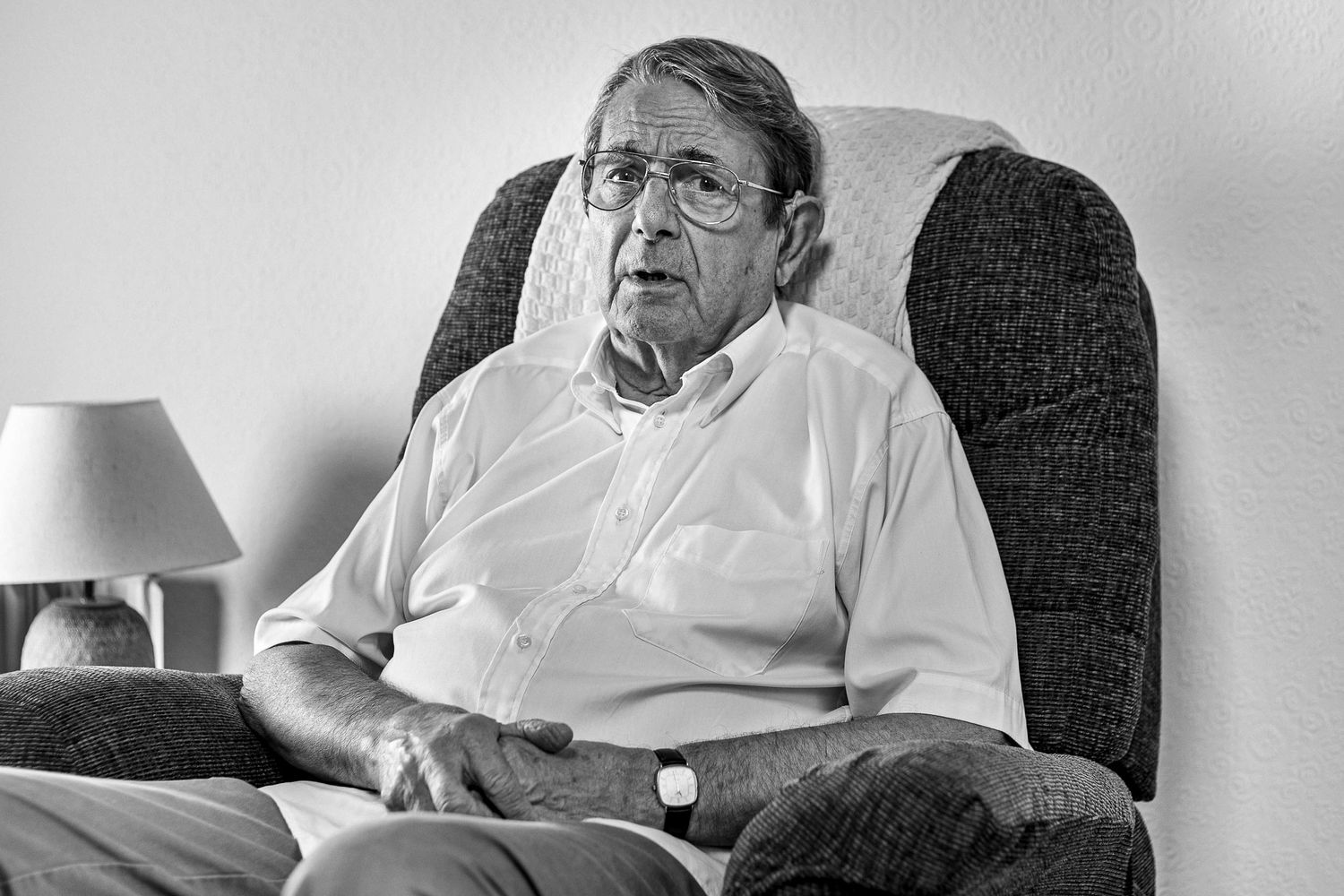
Don't Die of Embarrassment
The story behind a project that challenged silence, inspired conversations and encouraged men to take action.
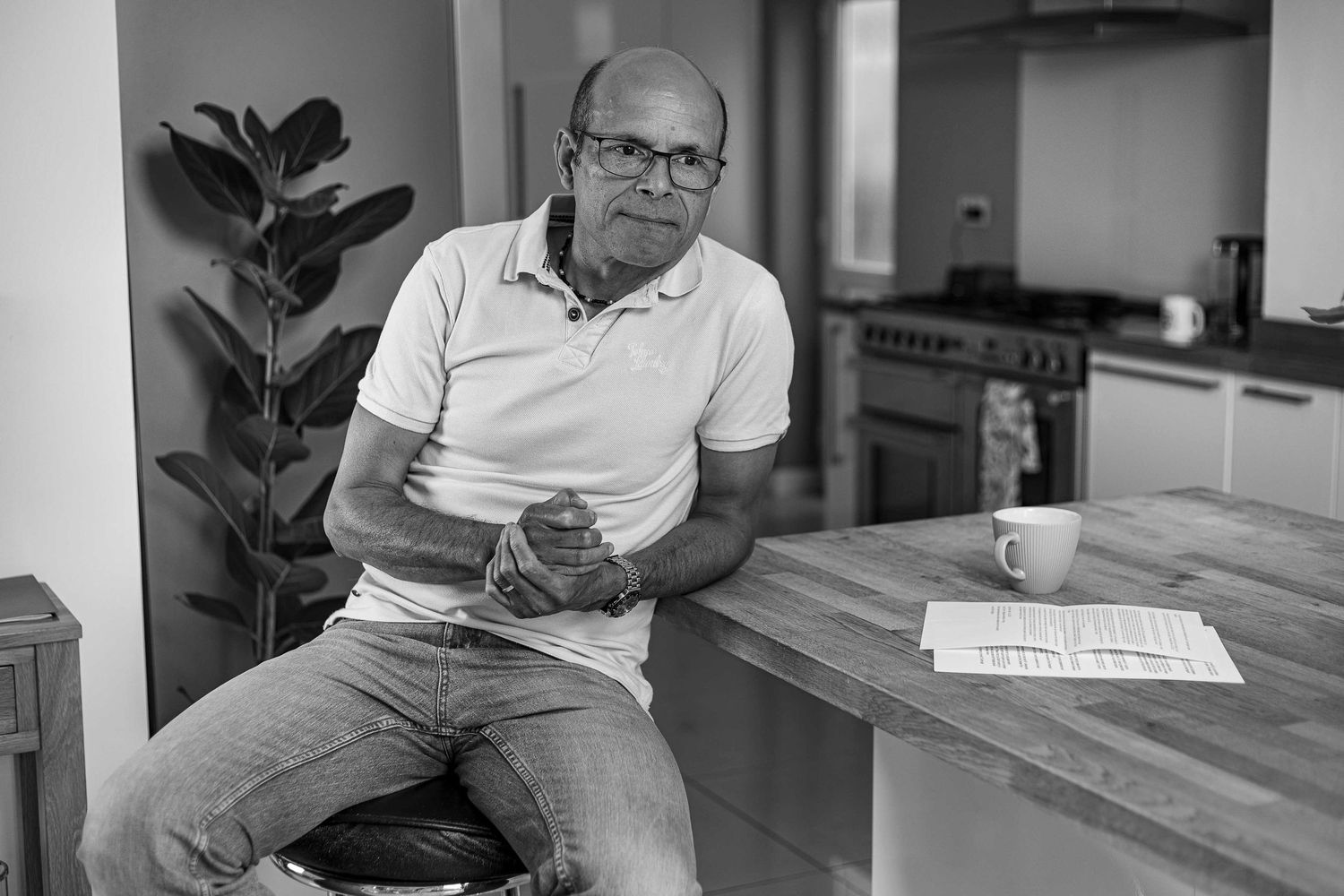
Everything Begins With People
A reflection on why people, not cameras, have always been at the heart of my photography.
New Name, Same Commitment to People
Sometimes the most significant changes happen quietly.
ROB KIRMAN
PHOTOGRAPHY

Everything Begins With People.



Privacy Policy
Terms and Conditions