the journal
issue 03 - DOCUMENTARY essay
Don't Die of Embarrassment
Published · August 2026 10 minute read
Photography, prostate cancer and the conversations men too often avoid.
Embarrassment should never be more powerful than the instinct to stay alive. Yet for many men, it is.
We avoid conversations about our bodies. We dismiss symptoms. We tell ourselves that discomfort will pass, that an appointment can wait, or that speaking openly would somehow make us appear less capable.
Prostate cancer exposes the danger of that silence.
Don’t Die of Embarrassment began as a photography project exploring masculinity and prostate cancer. It became something much more personal: a collaboration with men who were prepared to make themselves visible so that others might feel able to act.
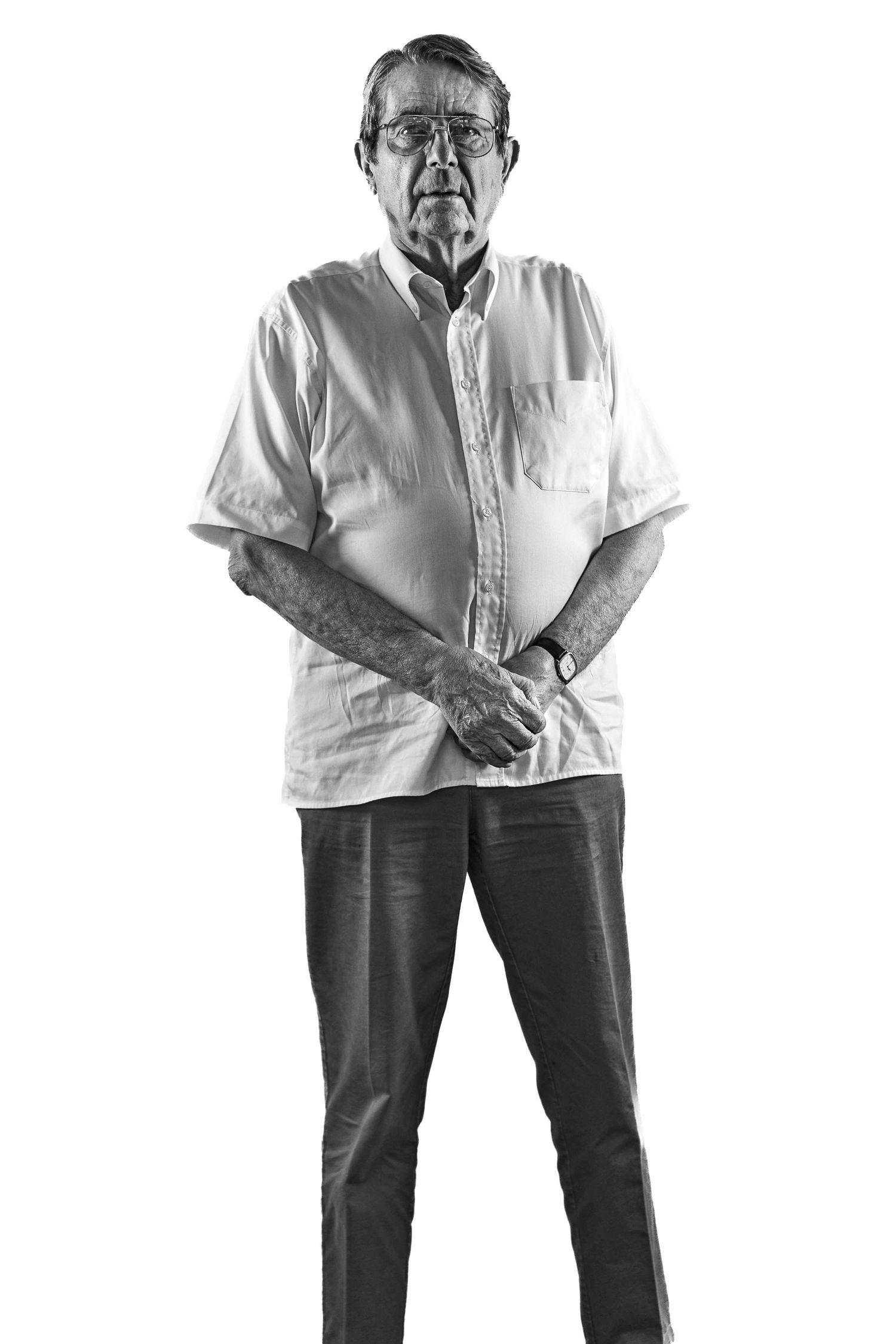
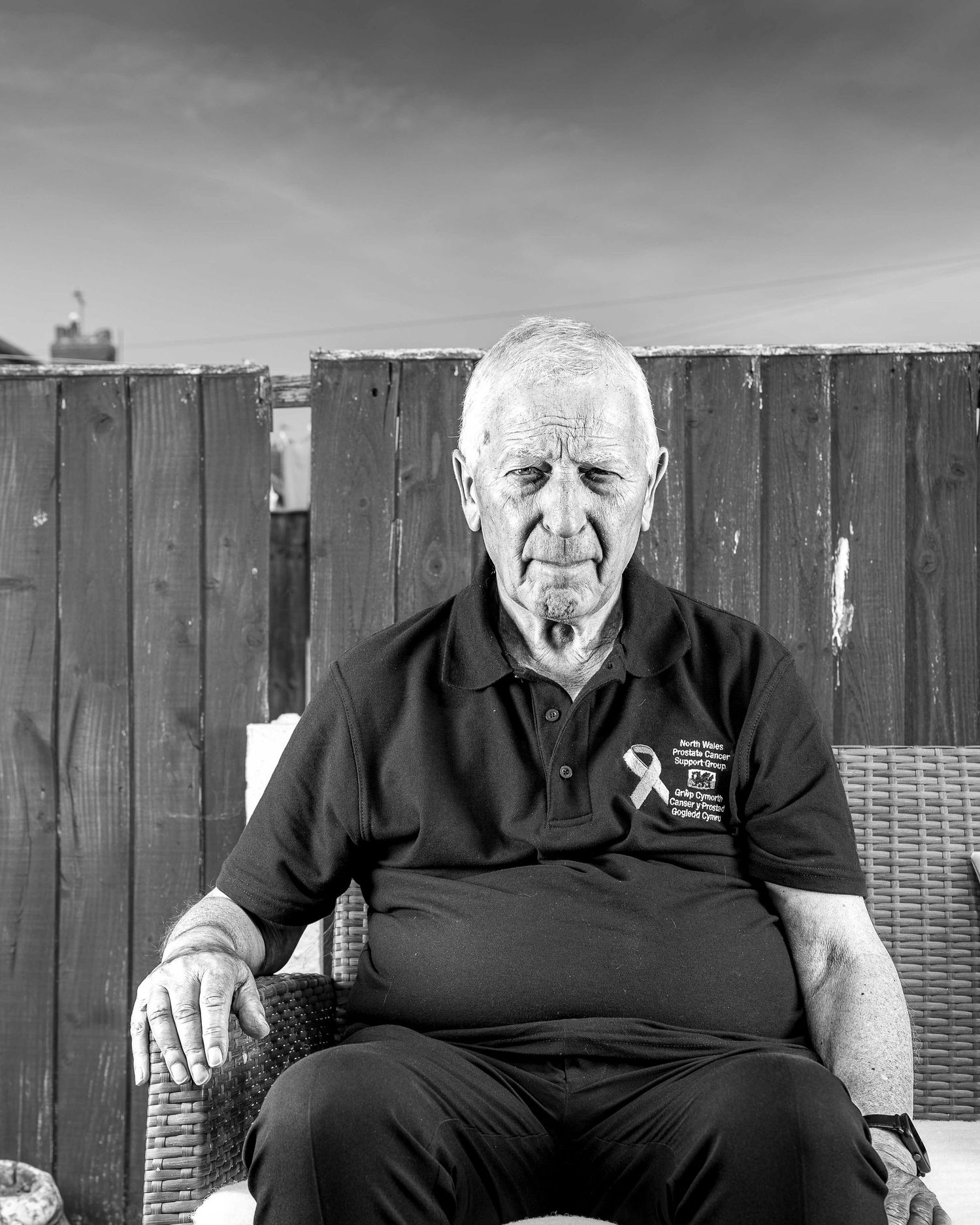
They shared diagnoses, scars, treatments, fears, humour and hope. They stood in front of my camera not because they wanted attention, but because they understood that their openness might help another man begin a conversation he had been avoiding.
The Silence Around Men’s Health
Men are often taught to endure quietly. We learn to describe ourselves as fine, even when we are not. We minimise pain, disguise fear with humour and treat vulnerability as though it were a failure of character. That culture of silence does not disappear when illness arrives.
For prostate cancer, embarrassment may surround symptoms, examinations, urinary problems, sexual function and the possibility of discussing any of them with a doctor. The language feels intimate, and the subject can challenge deeply held ideas about masculinity.
But silence offers no protection.
The project grew from a desire to challenge that silence, not through statistics alone, but through people. I wanted viewers to encounter individual men rather than an anonymous diagnosis. To see character before cancer. Life before illness. A person before a patient.
The strongest thing a man can do is speak before silence makes the decision for him
Beginning With Trust
Documentary photography always begins before the camera is raised.
With this project, that was especially important.
The men I photographed were not simply agreeing to have a portrait made. Some were speaking publicly about experiences they had previously shared with very few people. Others were allowing scars, treatment and physical vulnerability to become visible.
That trust could never be taken for granted. We talked first. Sometimes at length. We discussed what each participant wanted to share, what he wished to keep private and how he wanted to be represented. The photographs were created collaboratively rather than taken from them.
The aim was never to sensationalise illness. It was to preserve dignity while refusing to hide reality. That balance shaped every decision.
The Men Behind the Project
Each participant brought a different experience.
Some had been diagnosed recently. Others had lived with prostate cancer for many years. Some had undergone surgery or treatment that permanently changed their bodies. Others were involved in support groups, clinical care, fundraising or awareness work.
Their stories did not follow a single pattern. There was fear, certainly. But there was also resilience, friendship, frustration, gratitude and a remarkable amount of humour.
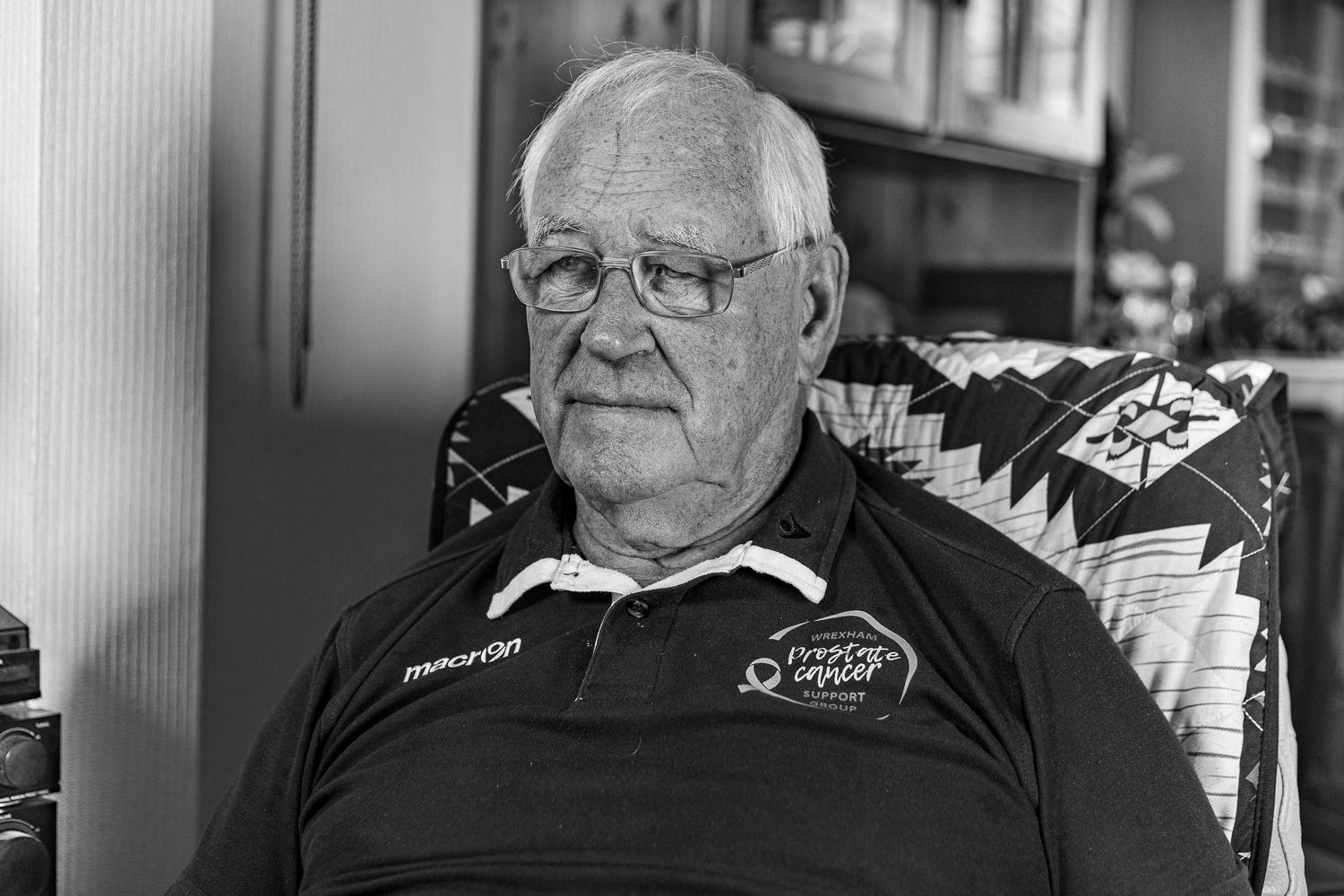
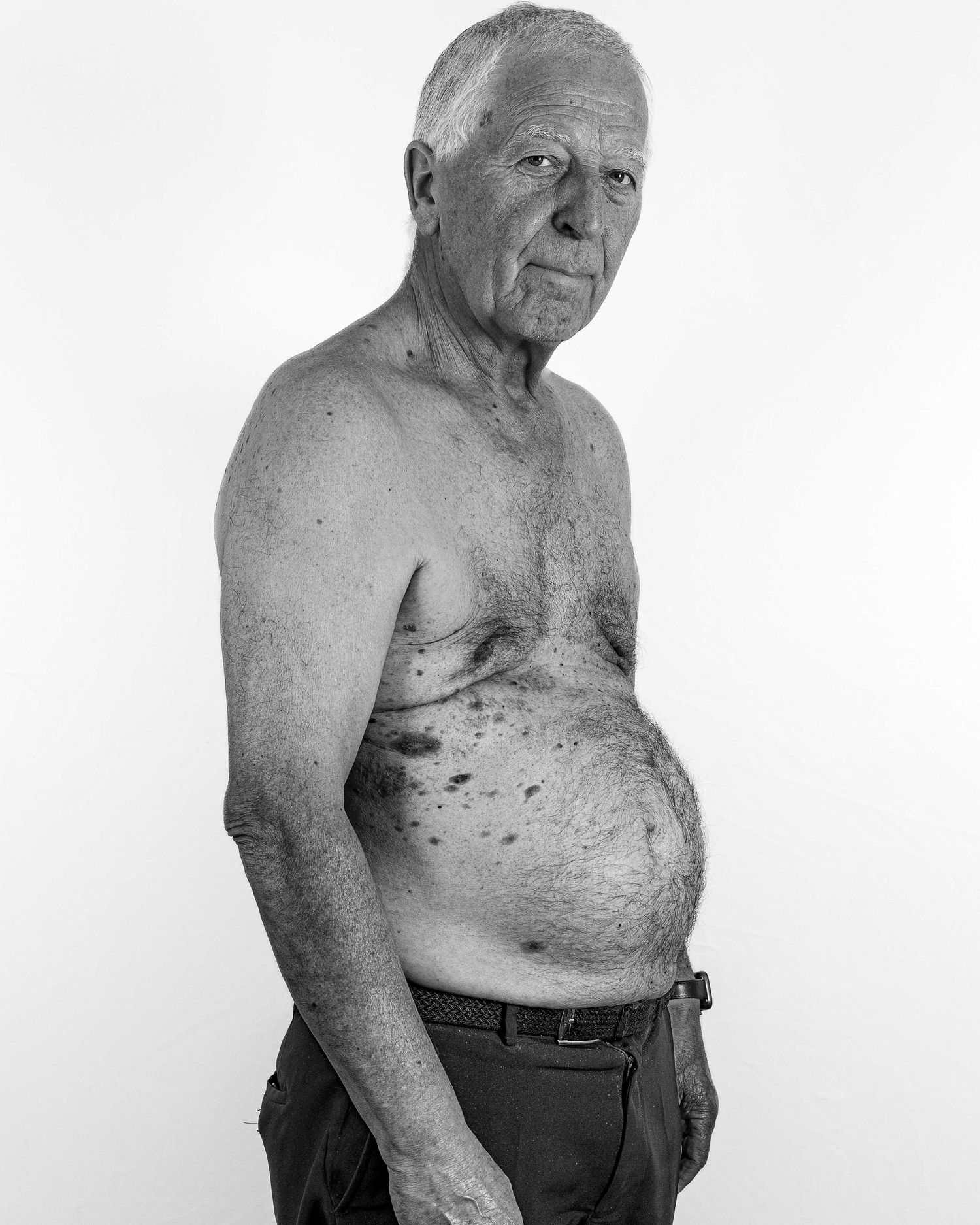
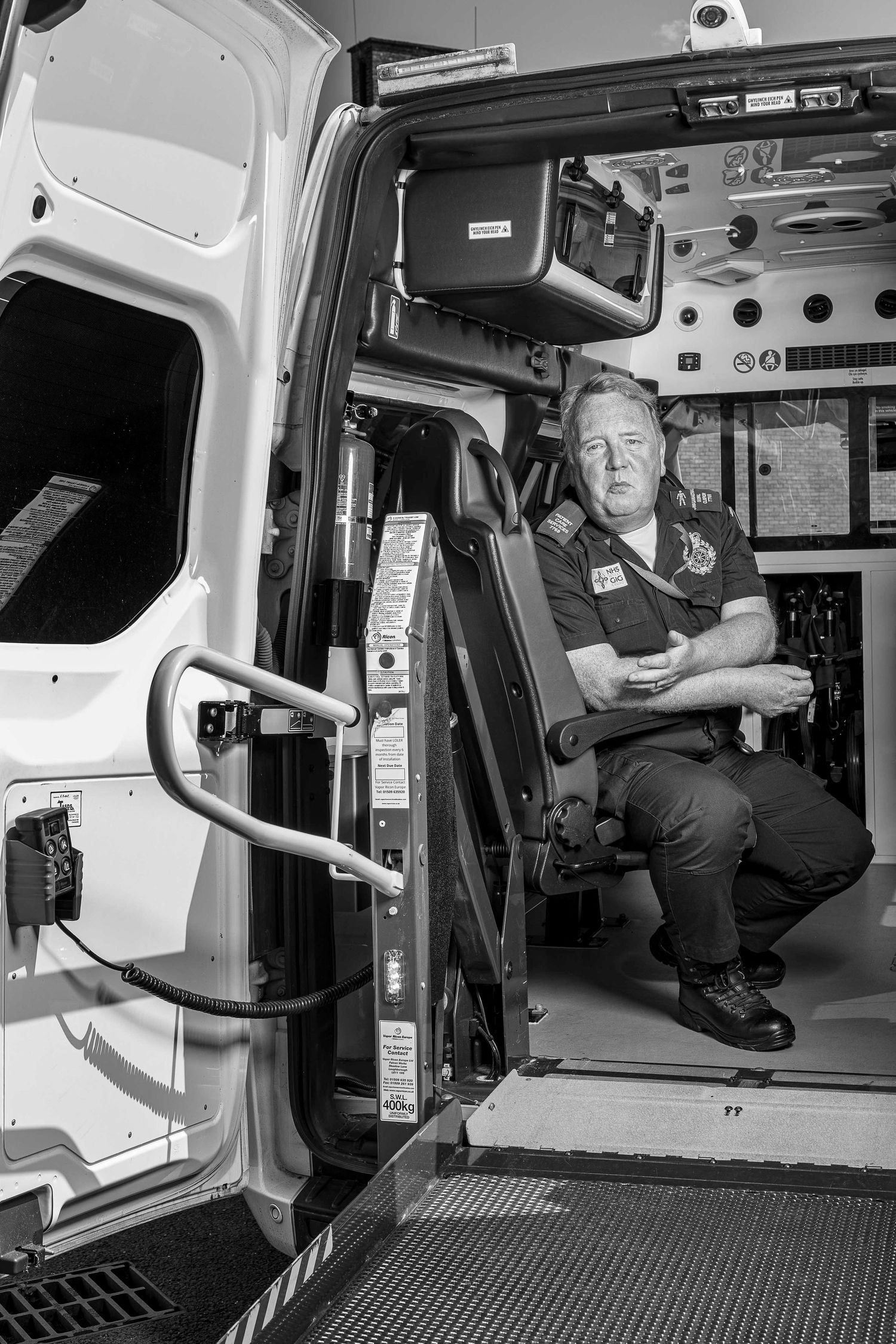
One man stood shirtless before the camera, meeting the viewer’s gaze without apology. Another was photographed inside an ambulance, his uniform and professional identity still central to the way he presented himself. Others appeared in homes, clinics and ordinary surroundings that reminded us that life continued beyond diagnosis.
These were not portraits of helplessness. They were portraits of men living.
Beyond the Clinical Image
Medical photography often concentrates on evidence. Symptoms. Procedures. Scars. Treatment. Those things matter, but they do not tell the whole story.
I wanted the project to hold two truths at once. Cancer changes lives. But cancer does not erase identity.
A man may be a husband, father, friend, volunteer, paramedic, craftsman or community leader. He may be frightened and courageous at the same time. He may carry physical and emotional scars while still laughing, working and planning for the future.
The portraits needed to acknowledge vulnerability without reducing anyone to it.
That is why environmental images became so important. A living room, an ambulance, a clinic chair or a familiar outdoor space helped place each person back within his own life.
The illness was present. But it was never the only thing present.
"Don’t Die of Embarrassment"
The project title is deliberately direct. It is not subtle because the consequences of silence are not subtle. There are moments when politeness becomes less important than clarity.
If embarrassment prevents somebody from speaking to a doctor, asking for advice or attending a test, then embarrassment has become dangerous.
The title asks men to reconsider what strength looks like. Strength is not pretending nothing is wrong. It is making the appointment. Having the conversation. Allowing someone to help. Admitting fear without allowing fear to make every decision.
For some people, that first conversation may be with a partner or friend. For others, it may be with a GP, support group or clinician.
The important thing is that it begins.
Collaboration and Community
The project would not have been possible without the support of people and organisations already doing vital work around prostate cancer.
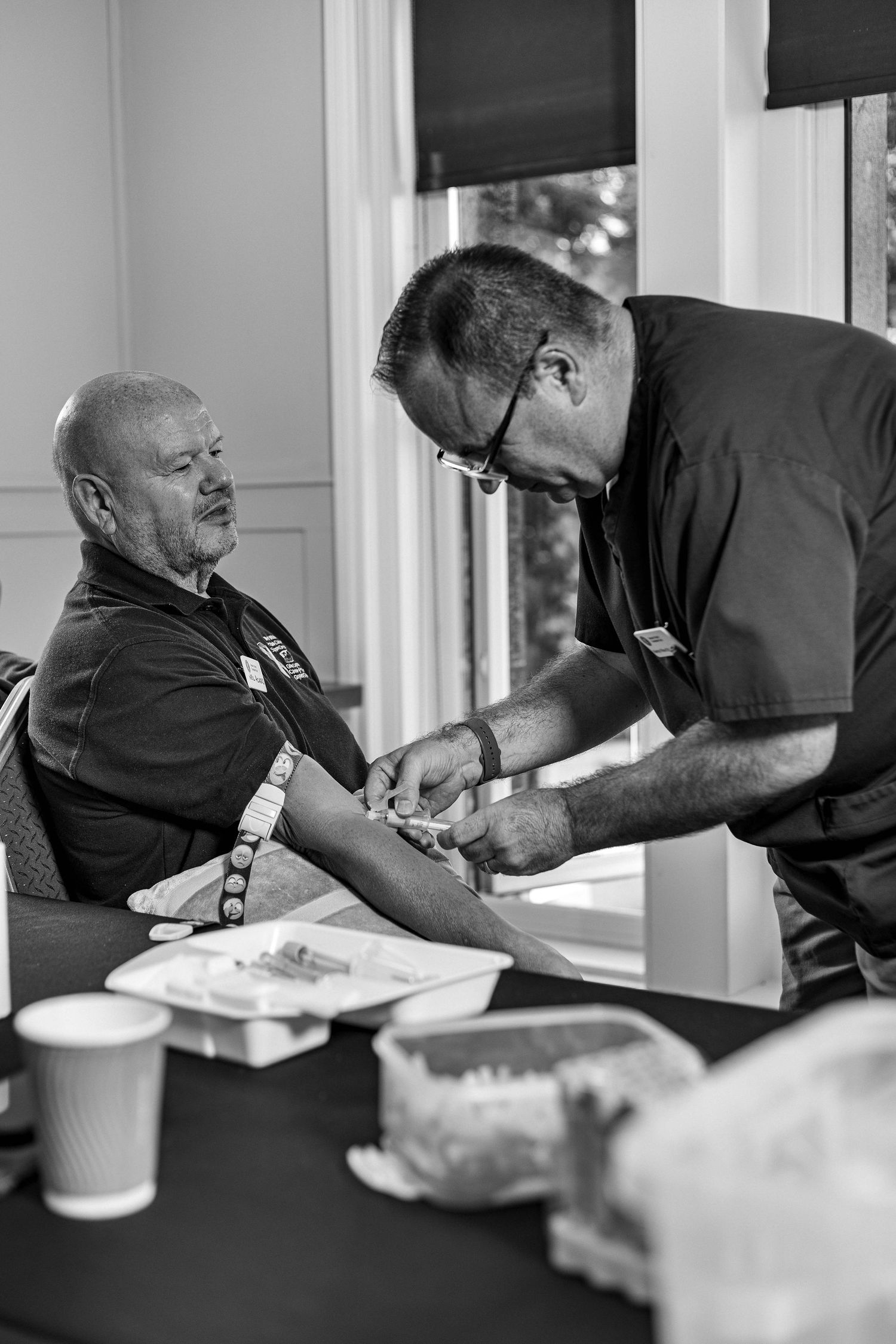
I met men through support groups across North Wales, including individuals who had spent years encouraging others to seek information and testing. Clinicians, nurses, phlebotomists and researchers also helped me understand the medical and human context surrounding the photographs.
Those relationships strengthened the work.
They also reminded me that awareness is rarely created by one voice.
It grows through communities. A support-group meeting. A conversation between friends. A family member encouraging someone to seek advice. A clinician taking time to explain. A photograph shared online. An exhibition visitor deciding, quietly, that it is time to act.
Each may seem small. Together, they can create change.
When the Photographs Left the Studio
I knew the project had succeeded visually when the portraits began to work together as a coherent exhibition. But the most meaningful outcomes happened beyond the gallery walls.
As images and stories were shared, men began discussing prostate cancer more openly. Some told me they had booked PSA blood tests after encountering the work. Others shared the project with friends, brothers, fathers and colleagues.
Those responses mattered more to me than any academic assessment or exhibition review.
A photograph cannot diagnose illness. It cannot replace medical advice. But it can interrupt indifference. It can make somebody pause. It can create recognition. It can make a difficult subject feel close enough to discuss.
That is the power I hoped the project might have.
Masculinity Reconsidered
At the heart of the work was a question:
What happens when men are allowed to present vulnerability without losing dignity?
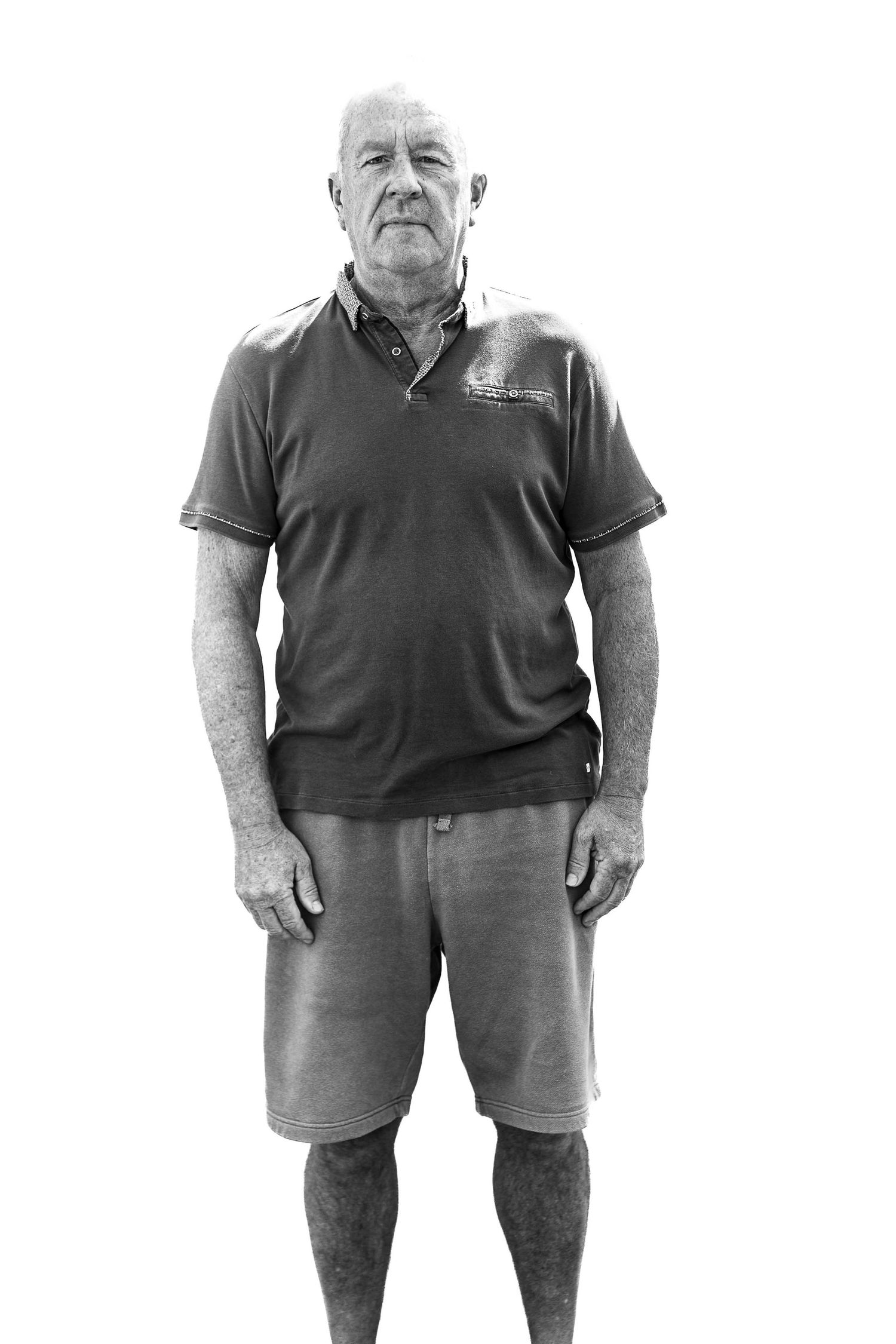
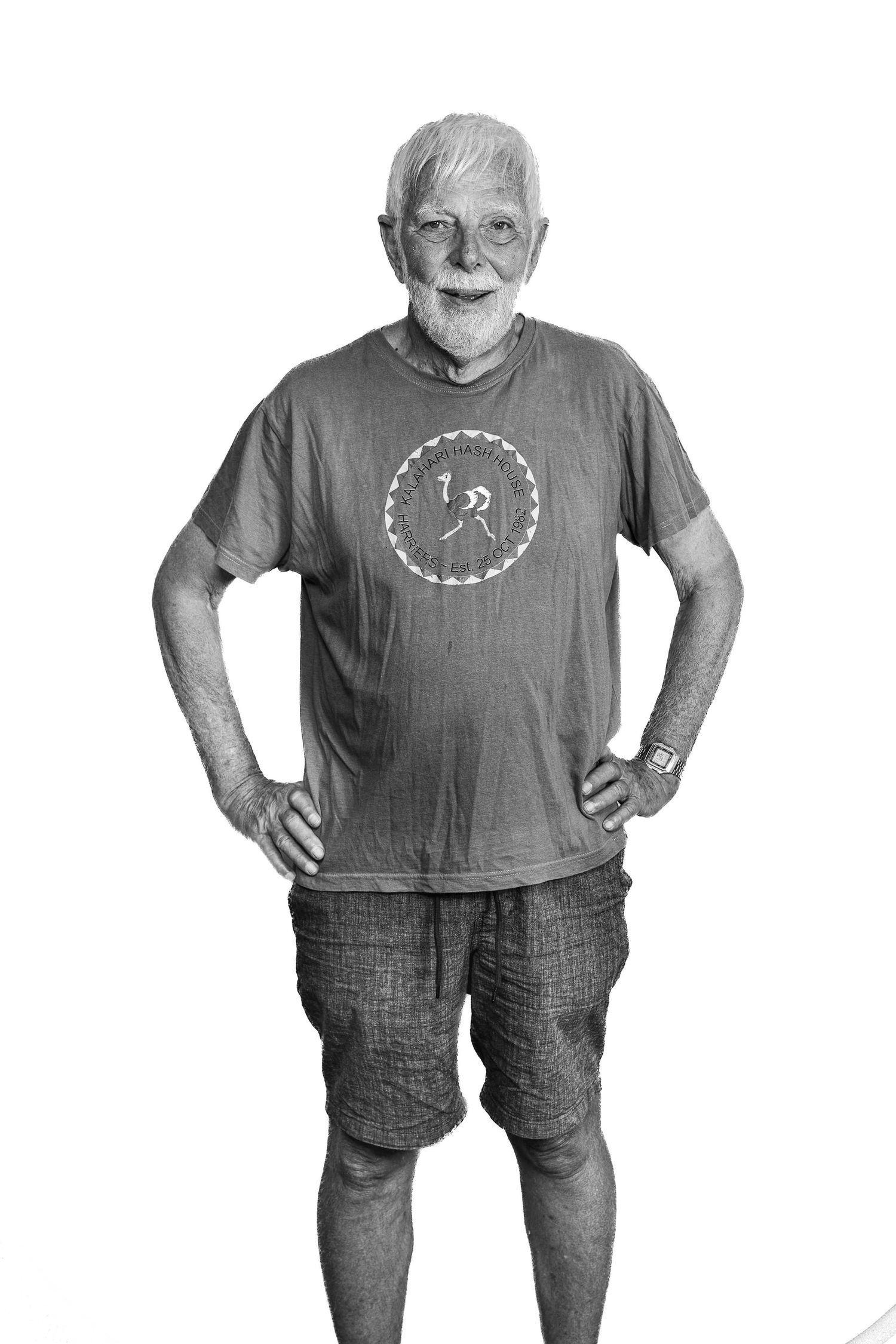
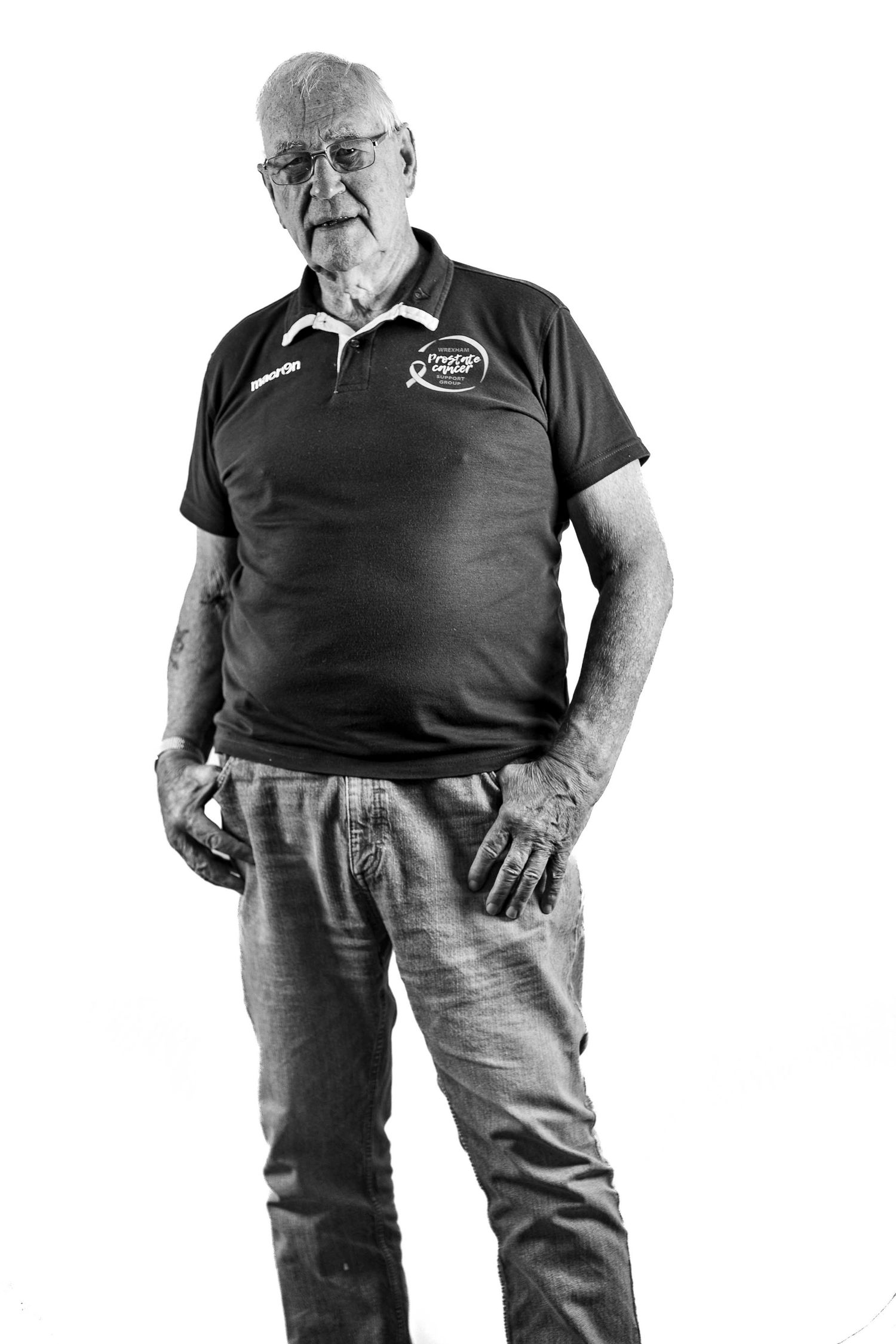
The answer, visible throughout the portraits, is that vulnerability and strength are not opposites. It takes strength to speak publicly about fear. To show a changed body. To describe treatment and its consequences. To admit that life has not unfolded as expected.
The men involved were not abandoning masculinity. They were expanding it. They showed that courage can include honesty, dependence, tenderness and the willingness to help others by revealing something personal.
That lesson extends far beyond prostate cancer.
What the Project Changed in Me
Every long-term documentary project changes the photographer. This one made me think more deeply about responsibility.
When somebody trusts you with a deeply personal story, making an attractive photograph is not enough. You must consider how the image will be understood, where it will appear and whether it remains faithful to the person who offered that trust.
The project also reinforced something I had begun to understand through earlier work. The relationship always matters more than the photograph. The camera may create the reason to meet. But listening creates the work. The men involved gave me access to stories that were not mine. My responsibility was to present them with honesty, care and respect.
That responsibility continues after the exhibition ends.
Embarrassment passes. The consequence of silence may not.
The Conversation Must Continue
Awareness projects often have a defined life. They open. They are viewed. They close.
The subject, however, remains.
Men are still reluctant to discuss symptoms. Families are still affected by late diagnoses. People are still navigating treatment, recovery and the uncertainty that follows.
That is why the conversations created by this project cannot belong only to a particular exhibition or period of study. They must continue in homes, workplaces, clinics and communities. They must include younger men as well as older men. They must allow space for fear without shame.
And they must make it clear that seeking advice is an act of responsibility, not weakness.
More Than an Exhibition
Looking back, Don’t Die of Embarrassment became far more than a collection of portraits.
It became a meeting place, between photography and health awareness. Between personal experience and public conversation. Between men who had already lived through prostate cancer and those who had never considered that it might affect them.
Most importantly, it became proof that people are often willing to speak when they feel they will be heard without judgement. The men who participated gave the project its honesty. Their generosity made the photographs possible. Their openness gave the work purpose.
And their willingness to be seen may have helped other men take a step they had been putting off.
A Final Reflection
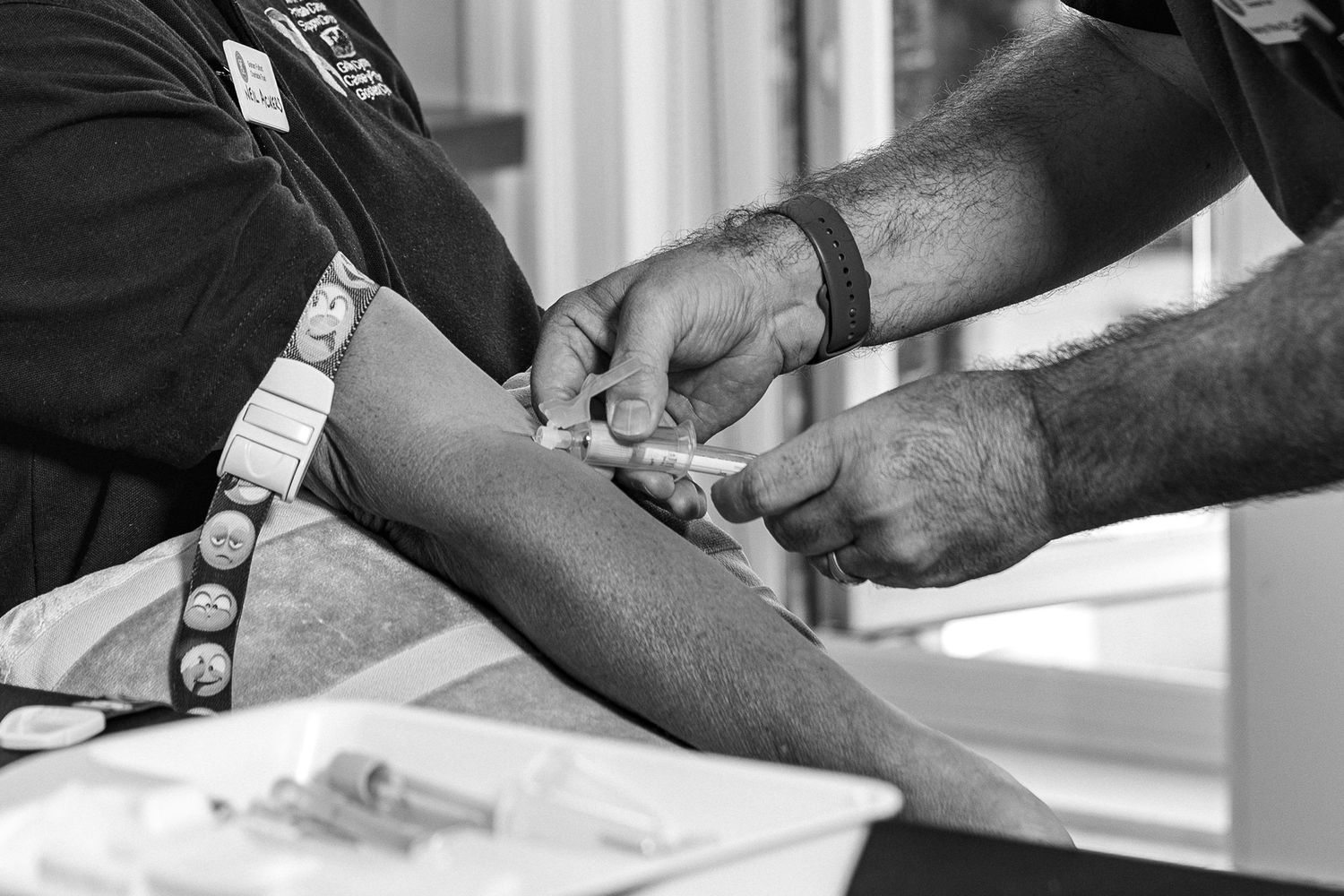
I began this project wanting to challenge stereotypes surrounding masculinity. I finished it with a much deeper understanding of courage. Courage is not always dramatic. Sometimes it is sitting in a clinic chair, rolling up a sleeve. Making that first phone call to the GP. Removing a shirt in front of a camera. Telling a stranger what happened.
Or saying to somebody you care about:
“I think you should get checked.”
Those small acts can carry enormous weight. The men in these photographs chose openness over silence.
The least the rest of us can do is listen.
The most important picture from this project may be the one that is never taken, the moment someone decides to make an appointment instead.
behind the camera
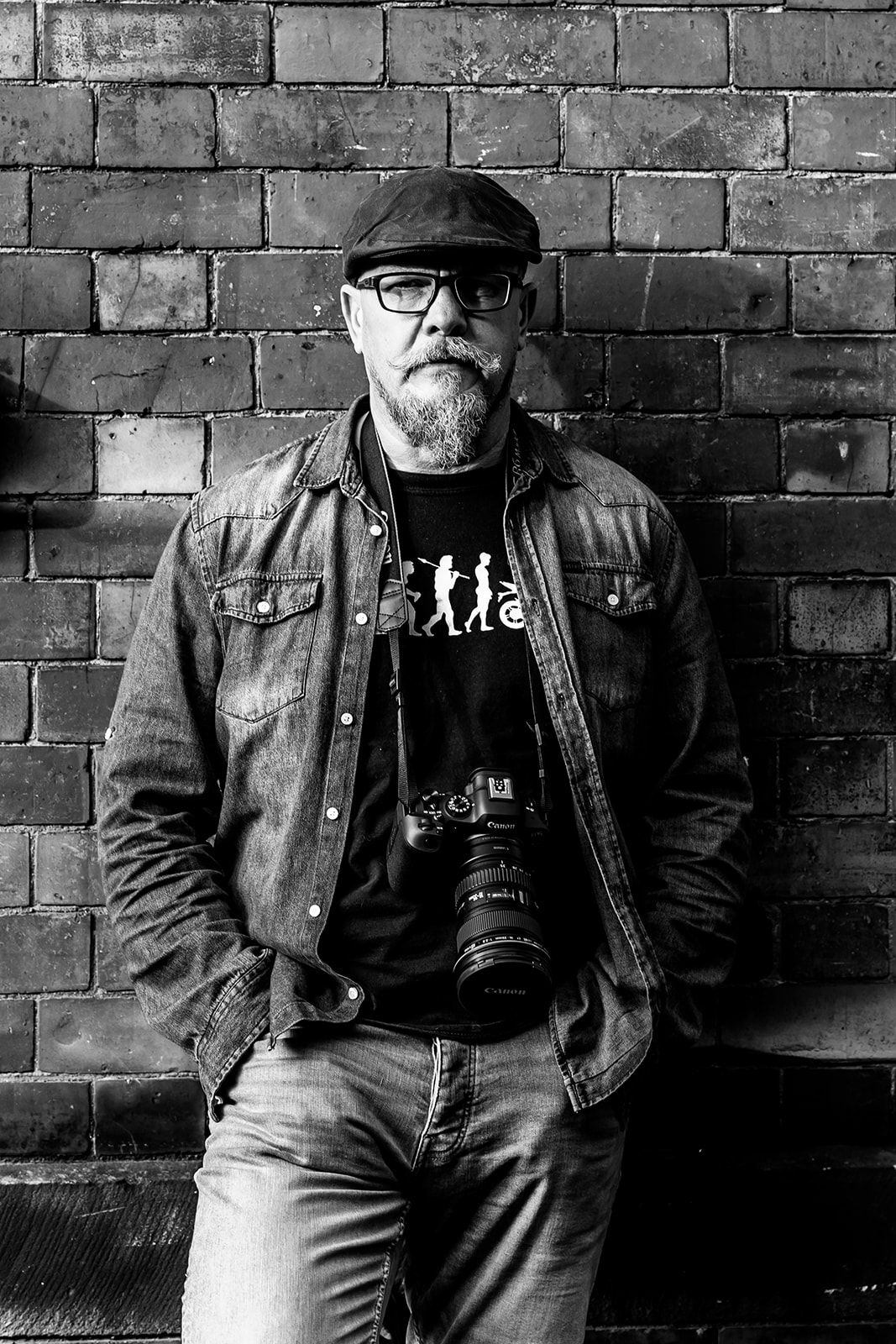
Rob Kirman
Photographer · Teacher · Storyteller
Don’t Die of Embarrassment reinforced the responsibility that comes with being trusted to tell deeply personal stories. The men who took part offered far more than their photographs: they shared their experiences, vulnerabilities and hope that speaking openly might help someone else take action. The project reminded me that documentary photography can do more than record a moment. It can begin a conversation, challenge silence and, sometimes, help create meaningful change.
Continue reading
Photography has introduced me to remarkable people and unexpected stories. I hope you've enjoyed this one. You may also enjoy:
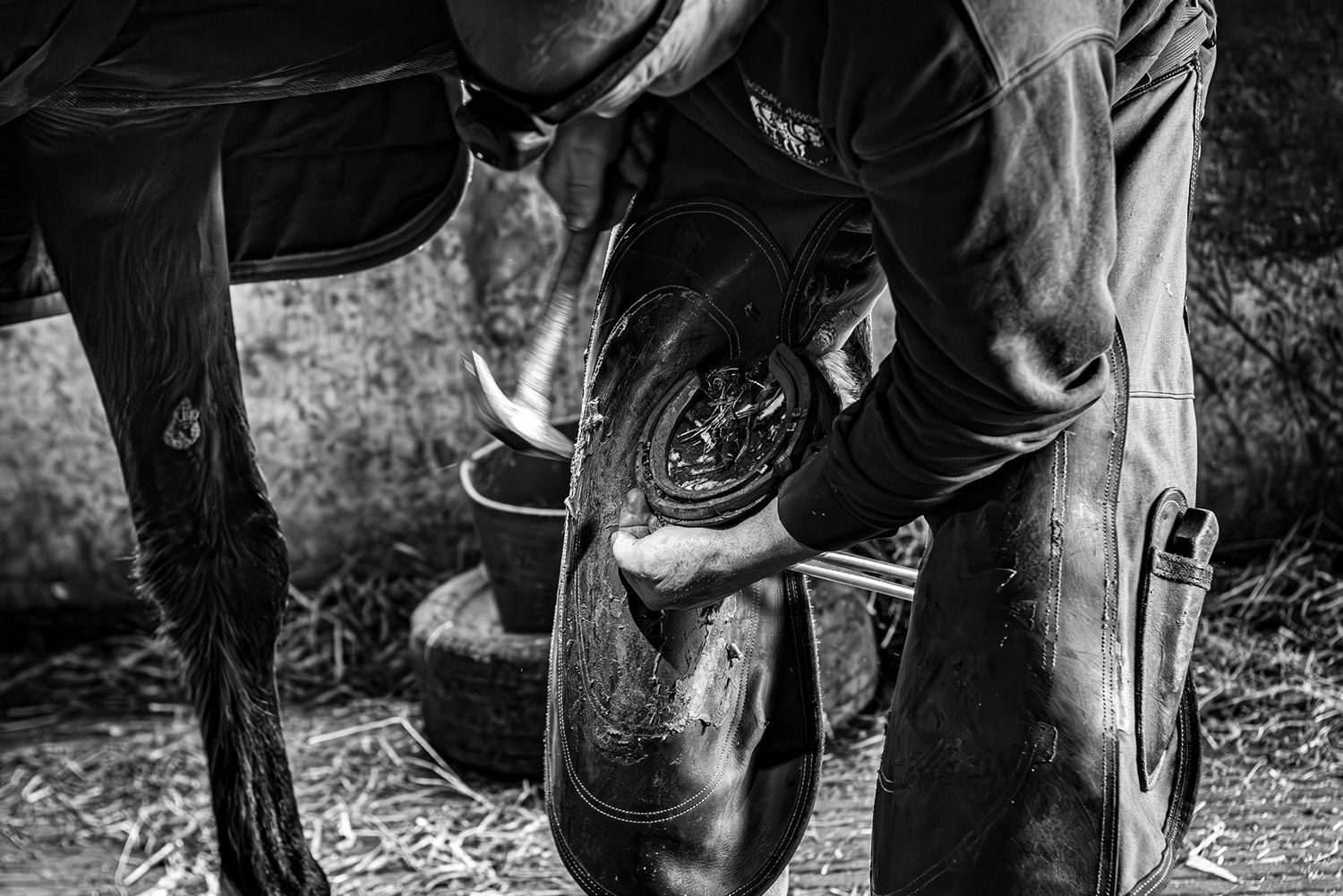
Working Hands
Celebrating skill, dedication and craftsmanship through the people whose hands tell the stories of a lifetime.
Pete
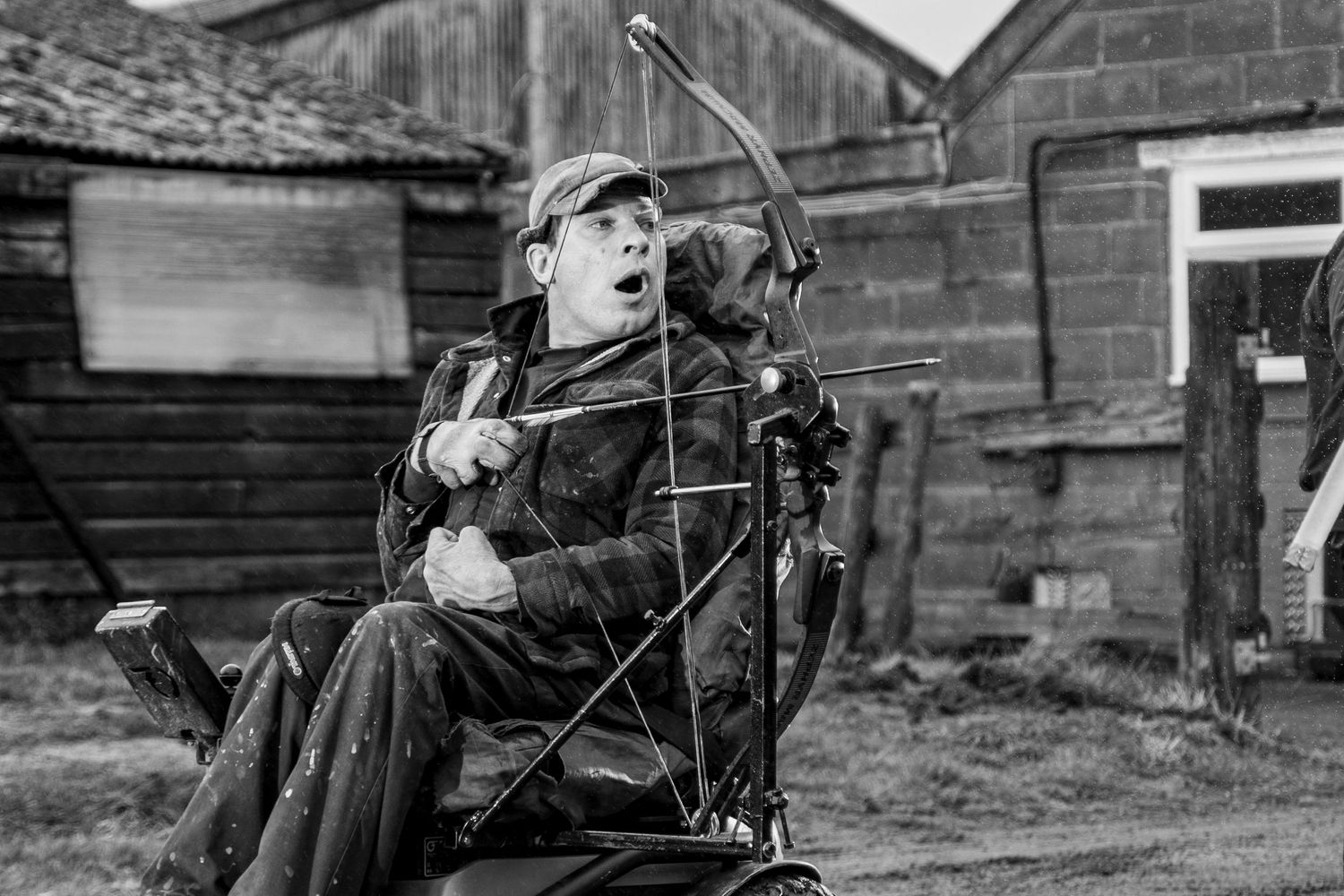
A story of resilience, humour and quiet determination that grew into an enduring friendship.
Everything Begins With People
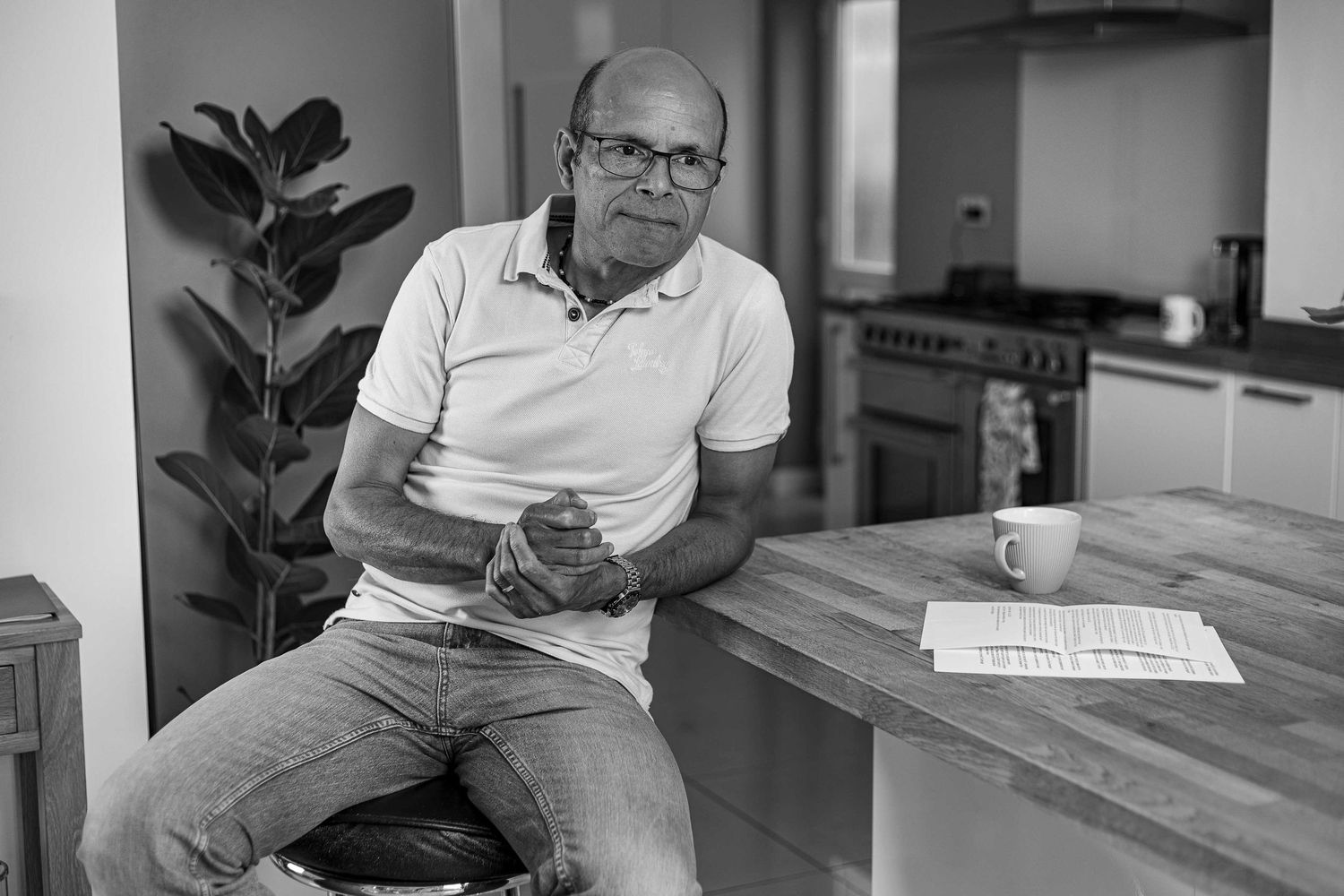
A reflection on why people, not cameras, have always been at the heart of my photography.
New Name, Same Commitment to People
Sometimes the most significant changes happen quietly.
ROB KIRMAN
PHOTOGRAPHY

Everything Begins With People.



Privacy Policy
Terms and Conditions