the journal
issue 04 - DOCUMENTARY essay
Working Hands
Published · August 2026 9 minute read
Working Hands - The stories we carry in the palms of our hands
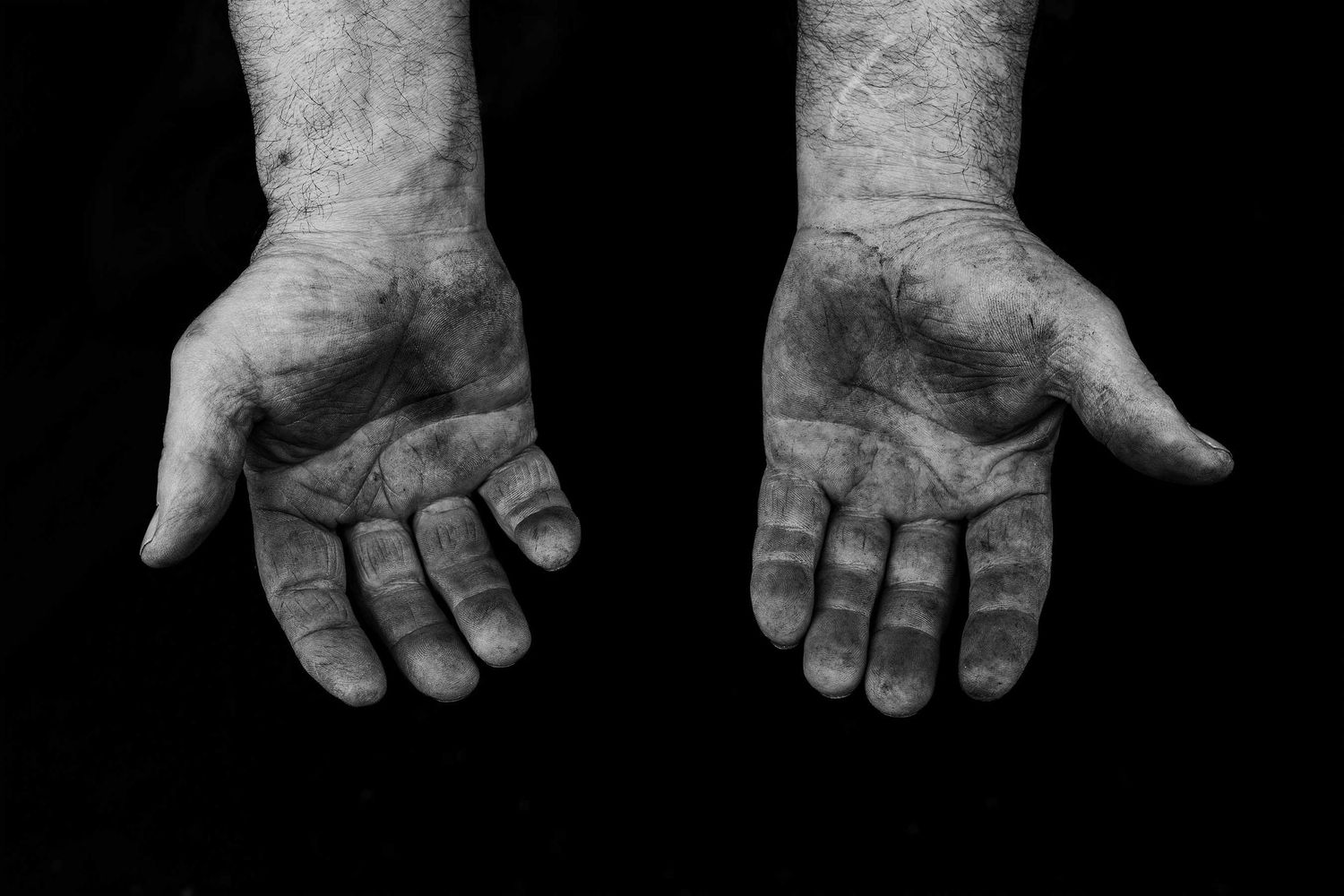
There are some photographs that begin with an idea. Others begin with a person. Working Hands began with a question.
What can a pair of hands tell us about a life?
The answer, I discovered, was far more than I ever imagined. Hands reveal years rather than moments. They carry scars that have long been forgotten, calluses earned through repetition, wrinkles shaped by experience and tiny marks that most of us never notice. They hold tools almost instinctively, moving with a confidence that only comes from years of practice.
Long before someone tells you what they do, their hands often already have.
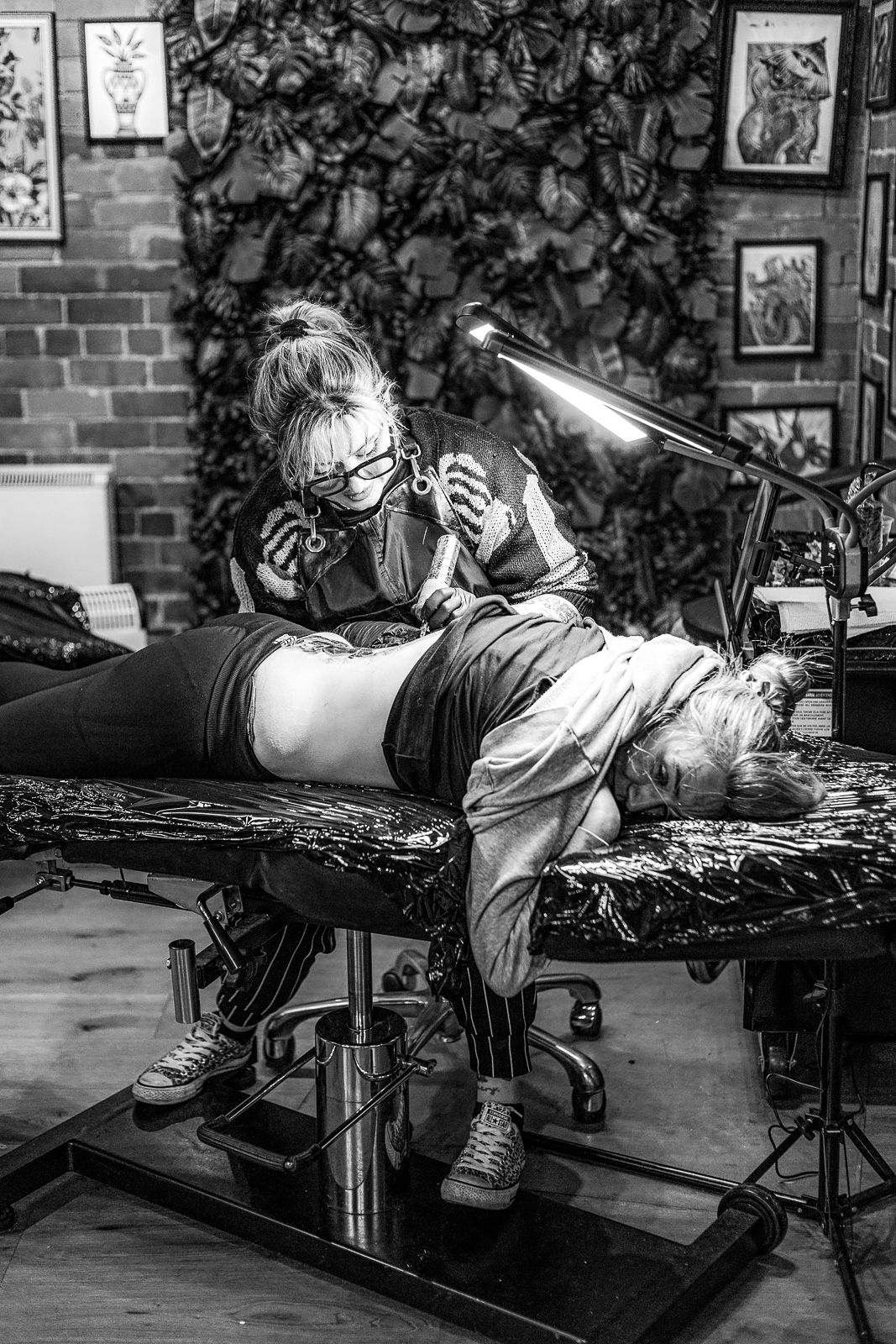
Every tattoo tells a story. The tattooist's job is to
help people wear it with pride.
Looking Beyond the Portrait
Portrait photography naturally draws us towards faces. Eyes reveal emotion. Expressions reveal mood. But hands tell a different story.
They speak of repetition. Commitment. Failure. Success. Thousands of ordinary days that eventually become a lifetime of experience.
As photographers, we often search for dramatic moments. Working Hands encouraged me to slow down and appreciate something quieter.
The extraordinary hidden inside the ordinary.
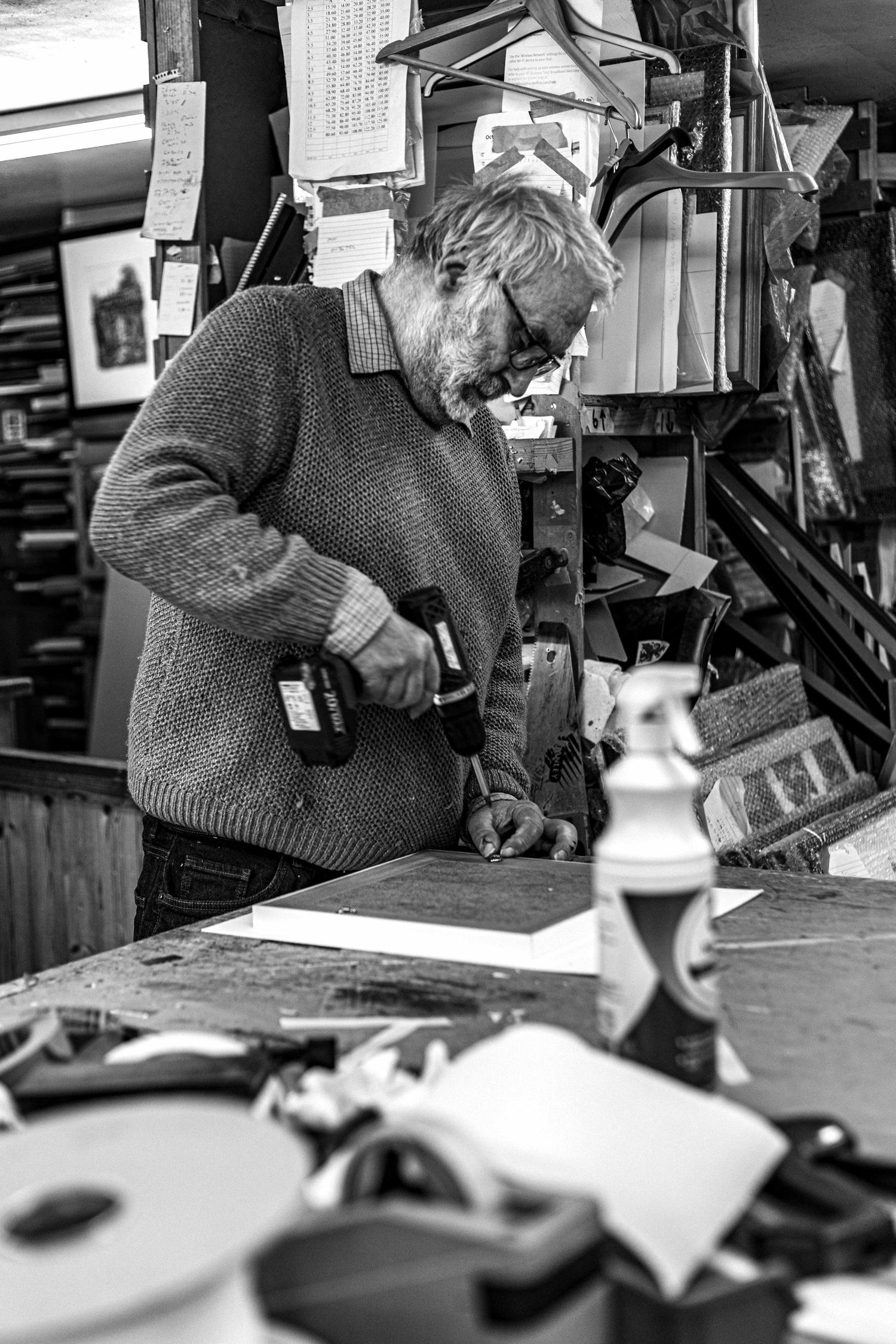
The frame should never steal the attention. Its job is simply to honour what it holds.
A Celebration of Craft
The people I photographed came from very different worlds. A farrier shaping steel beneath the weight of a horse. A barber whose hands moved with confidence and precision after thousands of haircuts. A tattoo artist transforming skin into permanent memories. A ceramic artist feeling for imperfections invisible to most people. A picture framer preserving somebody else's treasured moments. A metalworker still creating with remarkable skill well into his eighties. A café owner preparing food that brought people together.
Each person worked differently. Each environment was unique. Yet every one of them shared something remarkably similar.
Pride. Not loud pride. Quiet pride.
The kind that comes from caring deeply about doing something well.
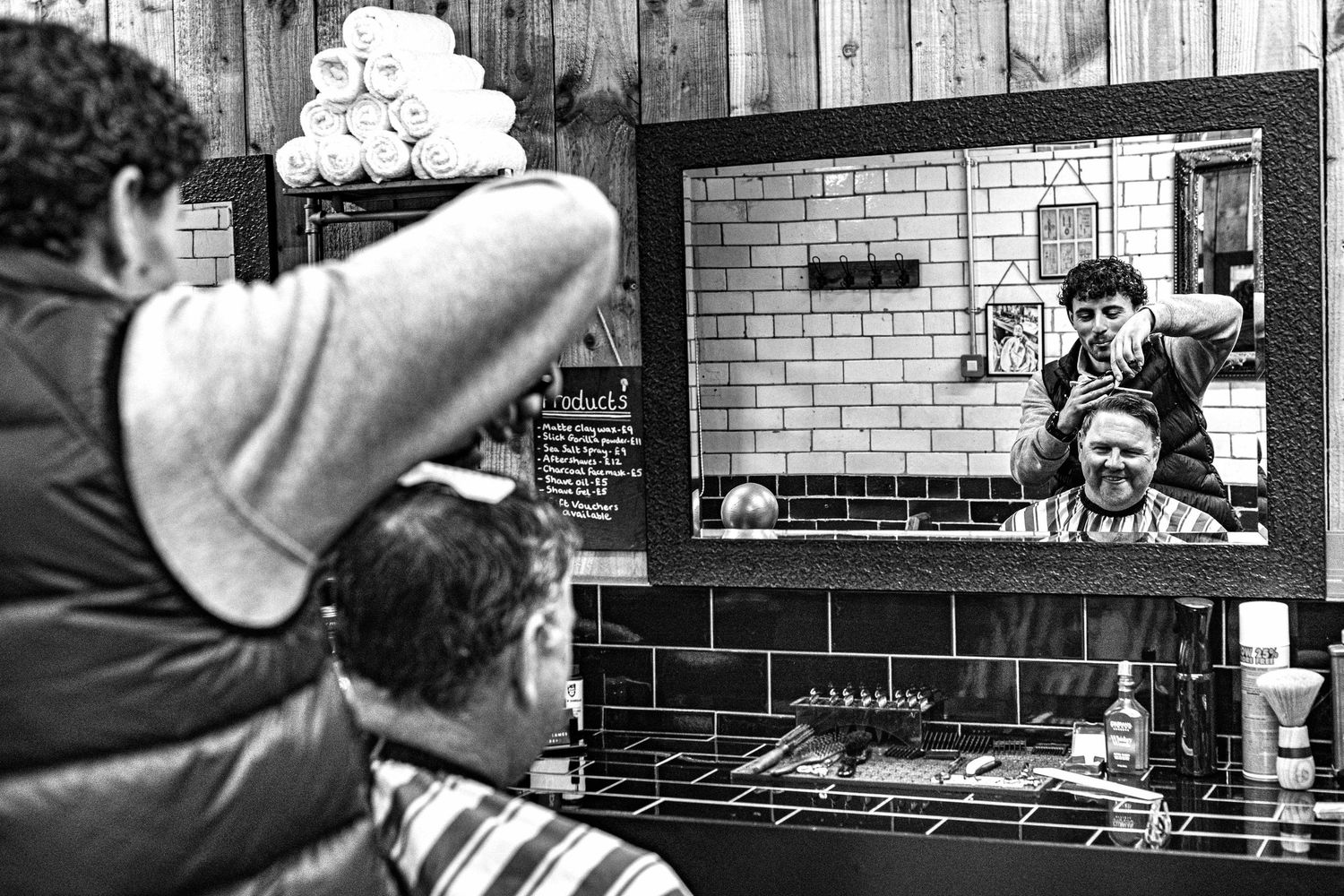
A haircut lasts a few weeks. A good conversation can stay with someone for much longer.
Time Leaves Its Mark
One of the most fascinating things about the project was realising that every trade leaves its own fingerprints upon the people who practise it. Some hands became rough through years of physical labour. Others carried tiny burns, paint stains or ingrained dust.
Some moved gently. Others with speed born from repetition. None of those marks were imperfections.
They were evidence. Evidence of dedication. Evidence of persistence. Evidence of a life spent making, repairing, creating or serving.
The hands themselves became portraits.
The 50mm Decision
Every documentary project carries its own set of creative rules. For Working Hands, I made one simple decision. Every photograph would be made using a single 50mm lens.
It encouraged consistency throughout the series, but it also forced me to work differently. I couldn't stand back and rely on a telephoto lens. I had to step closer. Talk more. Observe longer. Become part of the environment rather than simply looking in from the outside.
That physical closeness helped create emotional closeness too. It reminded me that documentary photography is rarely about equipment.
It is almost always about relationships.
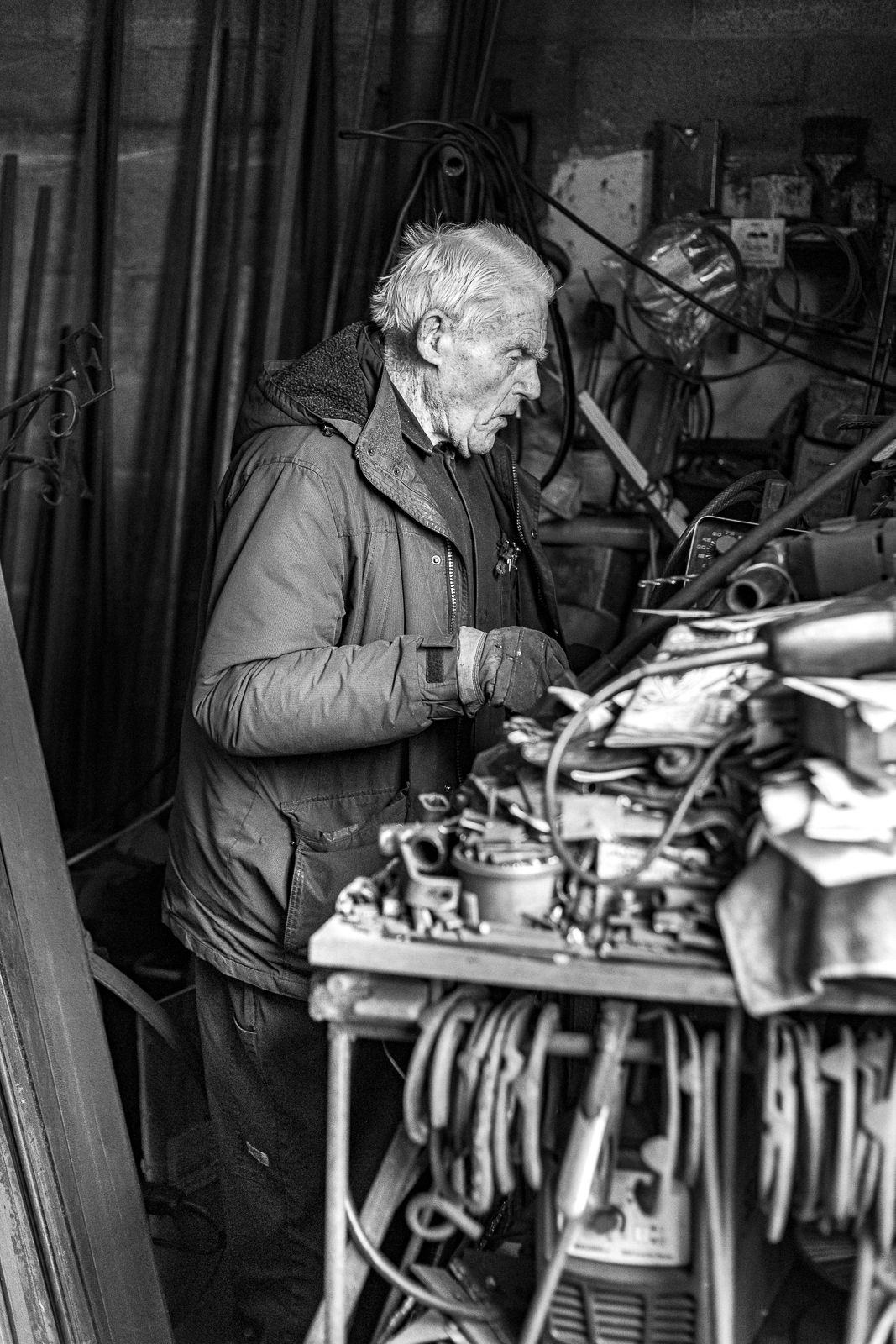
George
Among everyone I met, one person stayed with me in a particularly special way. George.
Well into his eighties, he continued working with metal in exactly the same careful manner he had for decades. Watching him work was to witness experience made visible.
There was no hesitation. No unnecessary movement. Every action had purpose. Every tool already knew where it belonged. His hands carried a lifetime of knowledge that could never be fully written down.
Some skills are learned from books. Others are passed quietly from one generation to the next, one pair of hands guiding another. George reminded me that mastery is rarely dramatic.
It is usually the result of showing up, day after day, for many years.
The trouble isn't that work is harder today. It's that too few people are prepared to stick at it.
More Than Occupations
None of the people in Working Hands were defined by their profession. The farrier wasn't simply shoeing horses. The barber wasn't merely cutting hair. The ceramic artist wasn't only shaping clay.
They were creating trust. Building relationships. Preserving traditions. Helping communities. Photography allowed me to see that every occupation is ultimately about people.
The craft simply provides the connection.
The Hands We Leave Behind
We often talk about leaving something behind. A business. A family. A reputation. A body of work. Perhaps, in some small way, our hands leave something behind too.
Every object carefully made. Every frame assembled. Every loaf baked. Every horse cared for. Every tattoo completed. Every photograph printed.
The hands disappear eventually. The work remains.
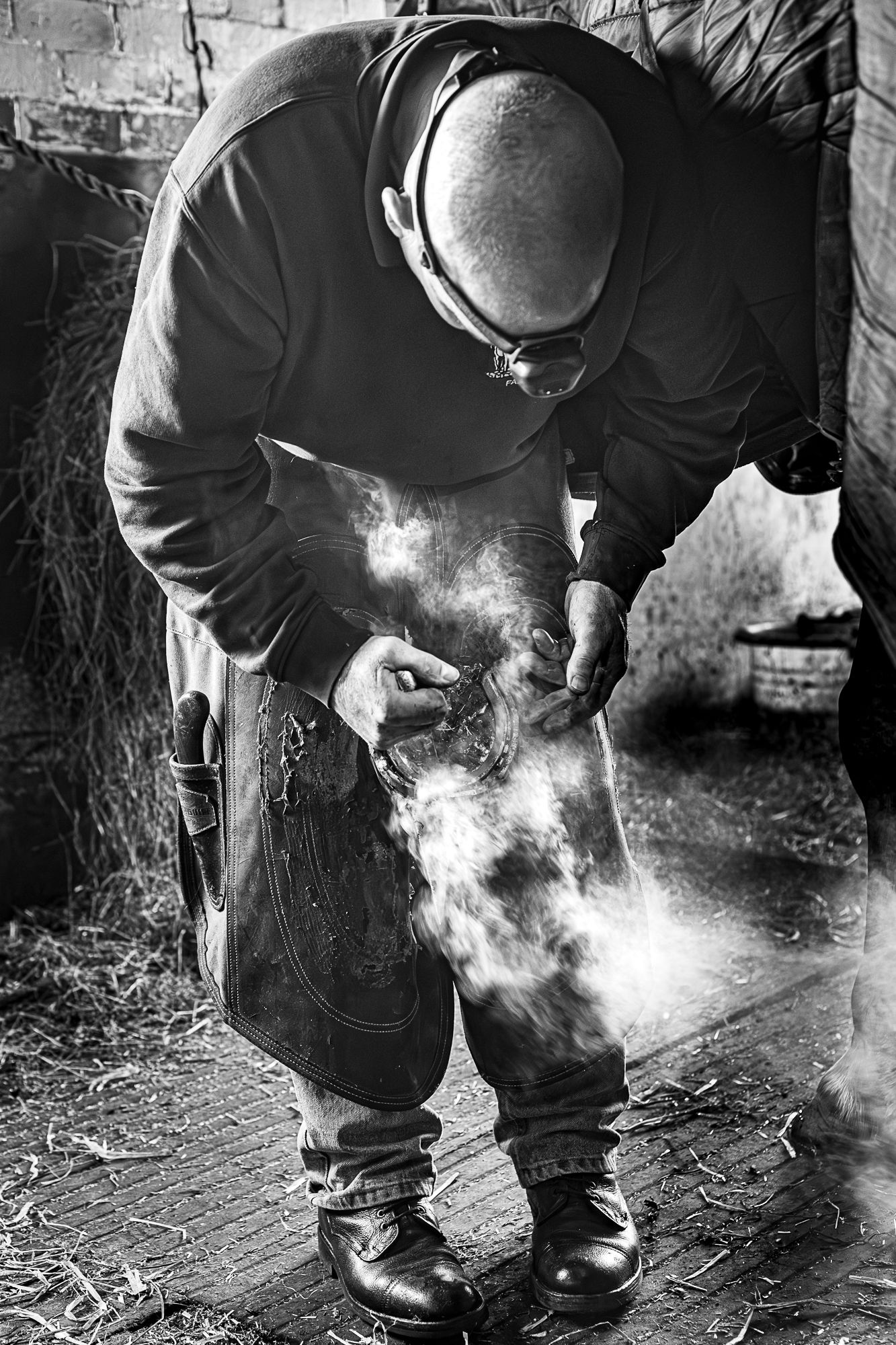
Good workmanship isn't measured by the shoe you fit today, but by how the horse walks tomorrow.
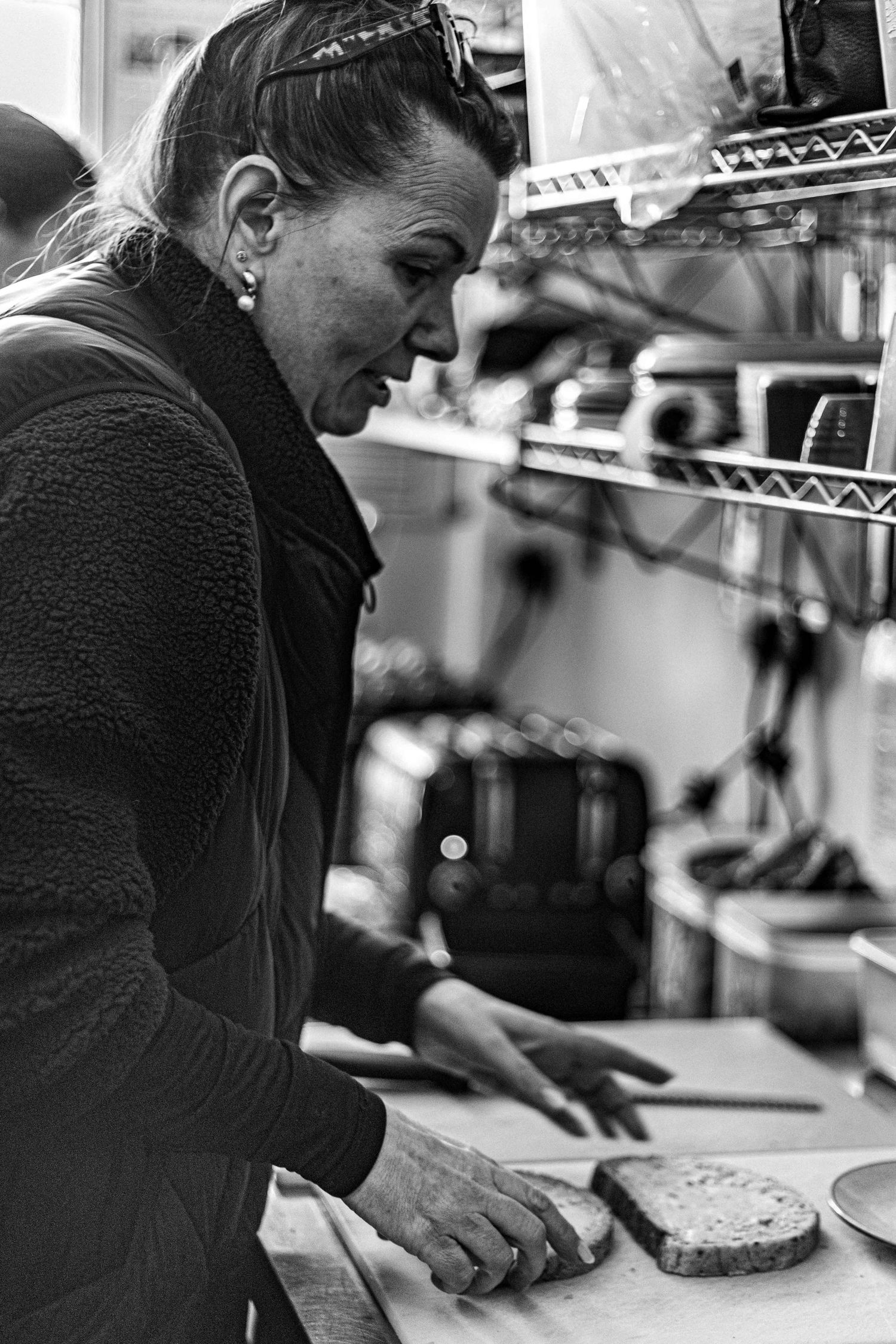
People may come for breakfast, but they often return because they felt welcome
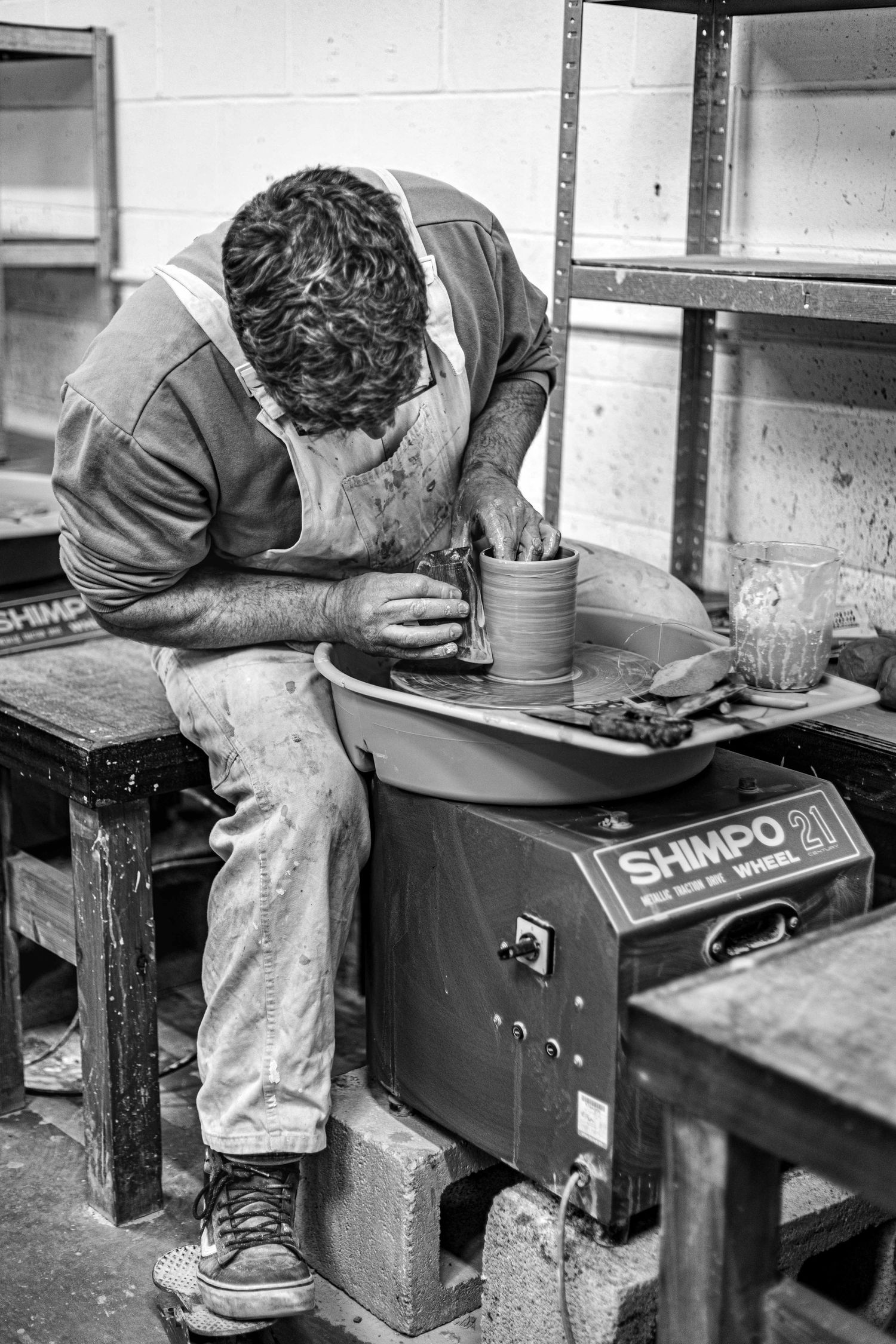
Patience is part of every piece. Clay has a way of teaching you that.
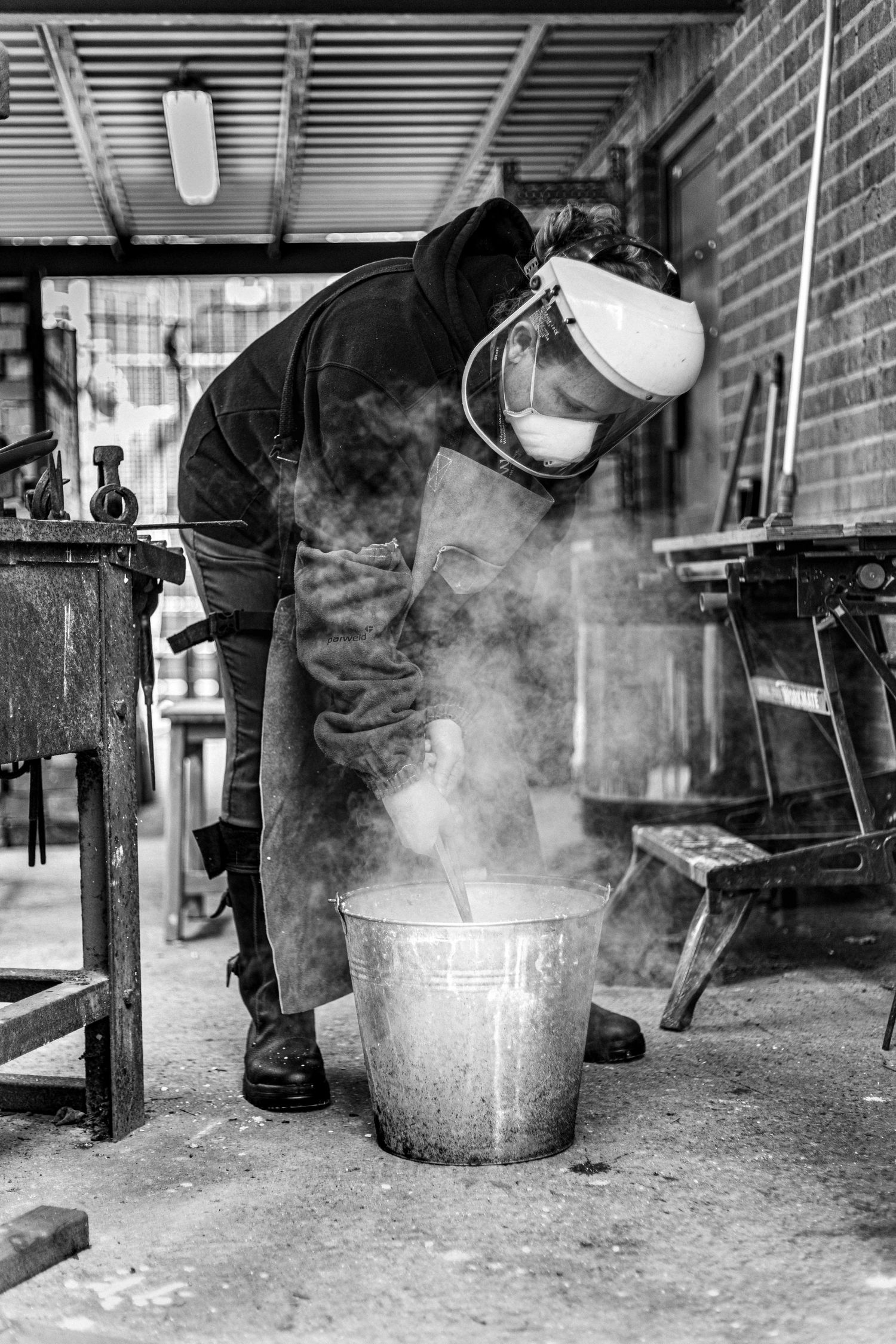
The material only reveals its beauty when you learn to work with it, not against it.
What the Project Taught Me
Before Working Hands, I admired craftsmanship. Afterwards, I began noticing it everywhere.
In the café where somebody carefully prepares breakfast before sunrise. In the florist arranging flowers almost without looking. In the nurse adjusting a blanket. In the mechanic listening to an unfamiliar engine. In the teacher patiently helping a student understand something for the first time.
Craftsmanship isn't confined to traditional trades. It exists wherever people care deeply about doing something well.
That, perhaps, was the greatest lesson the project gave me.
Looking Back
Photography has introduced me to remarkable people. Some have changed the way I think. Others have changed the way I photograph.
The people in Working Hands quietly did both.
They reminded me that greatness often lives far away from headlines. It can be found in small workshops, village cafés, studios and garages. It exists wherever someone chooses to do ordinary work extraordinarily well.
Their photographs became a celebration of craft. Their stories became a celebration of character.
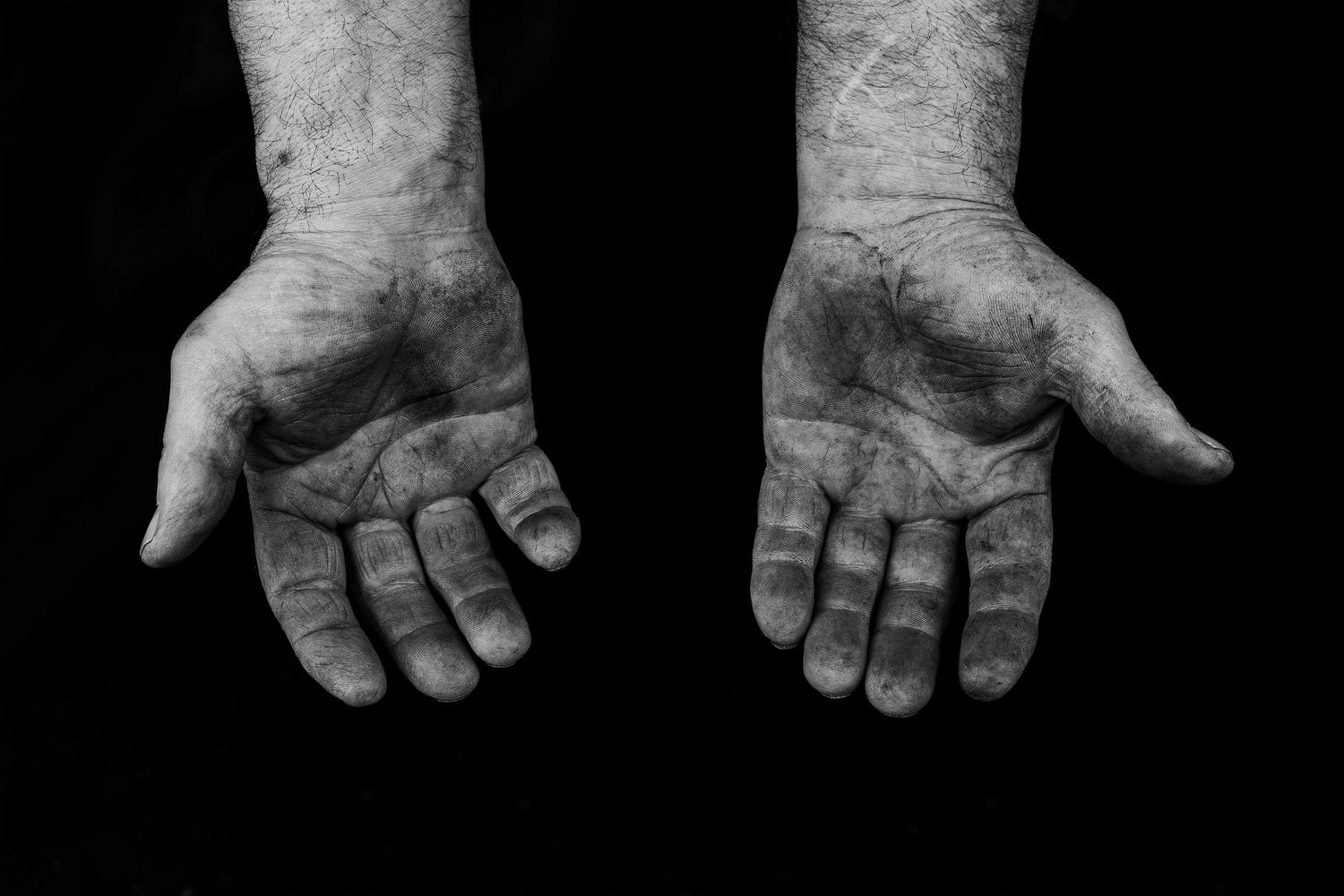
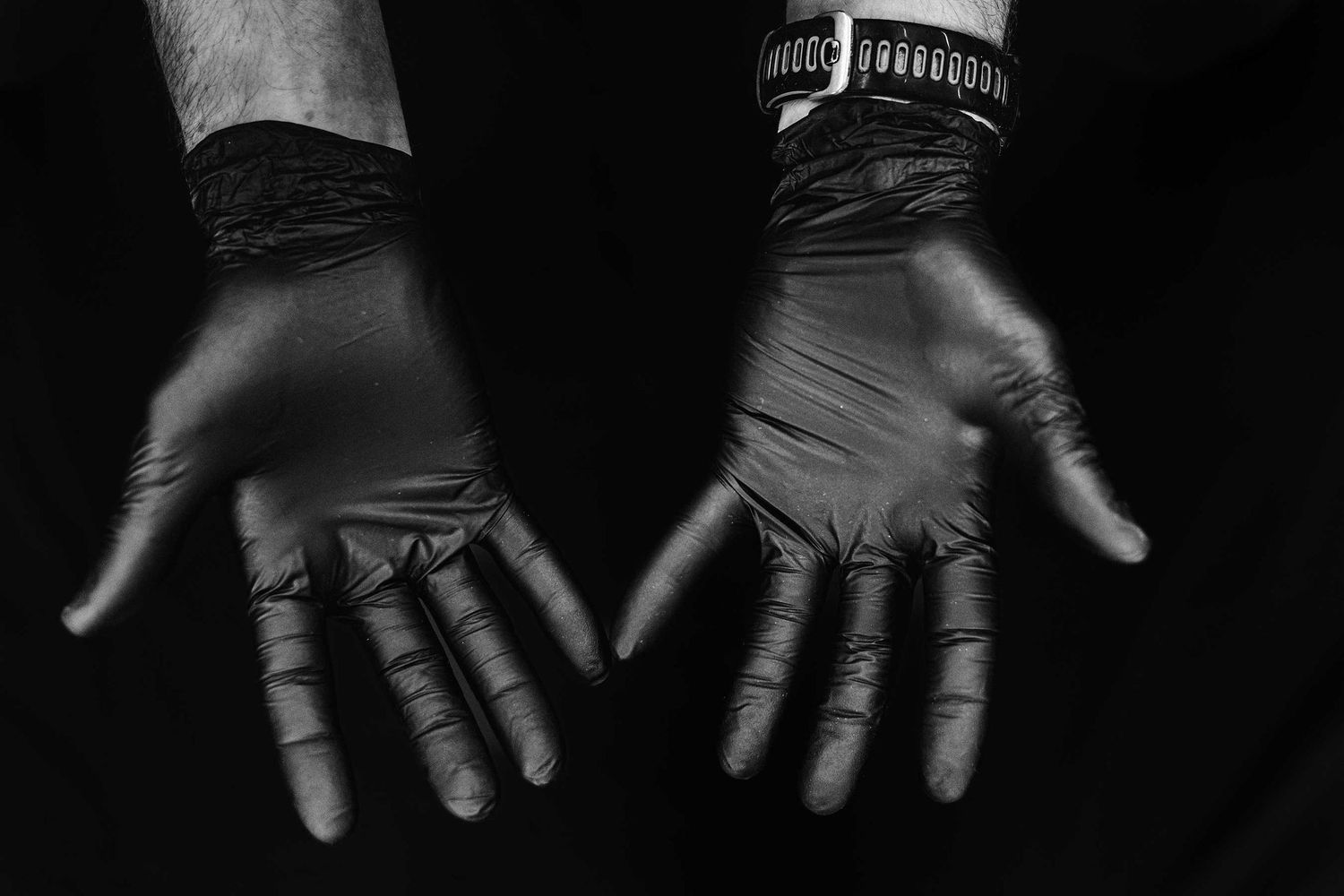
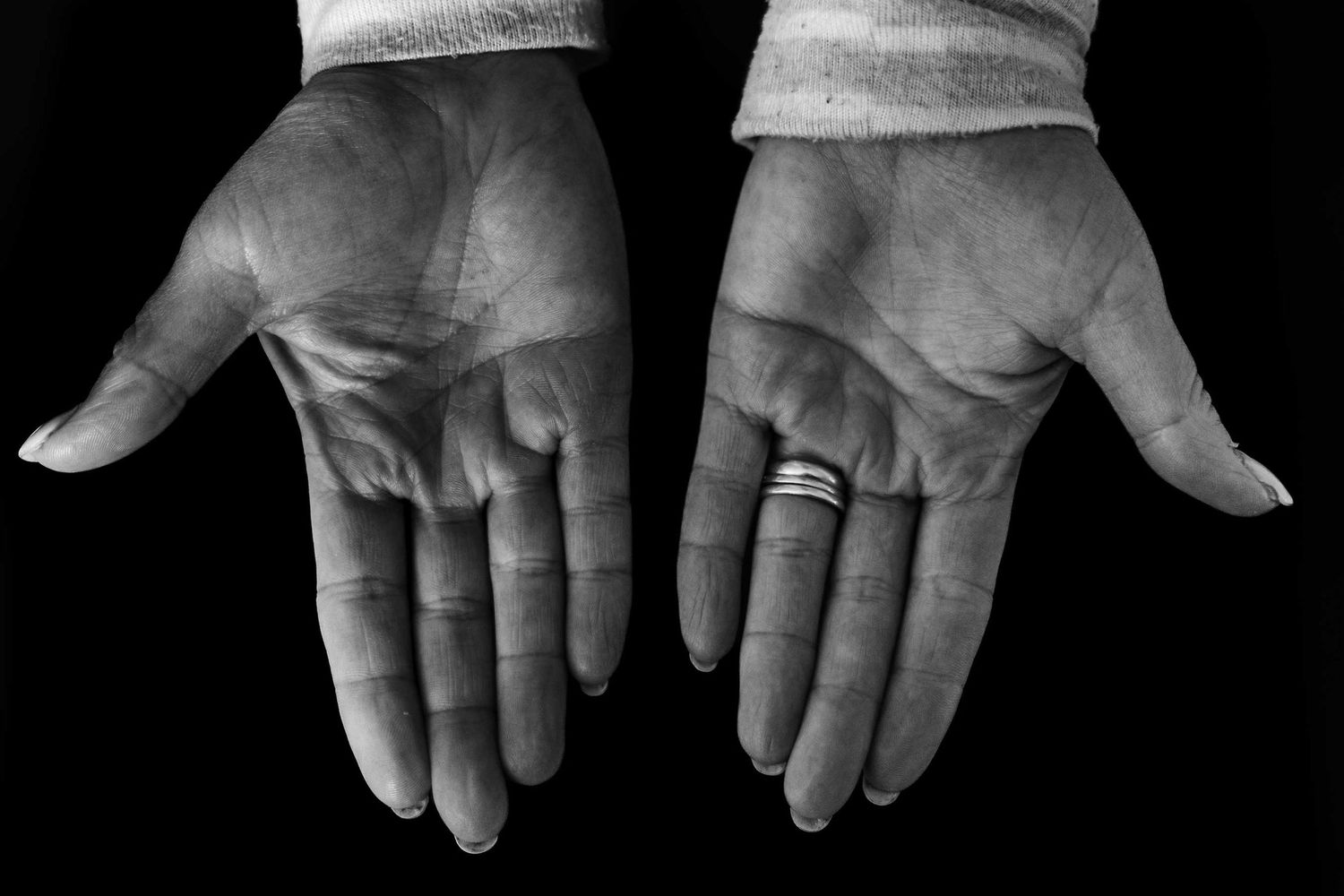
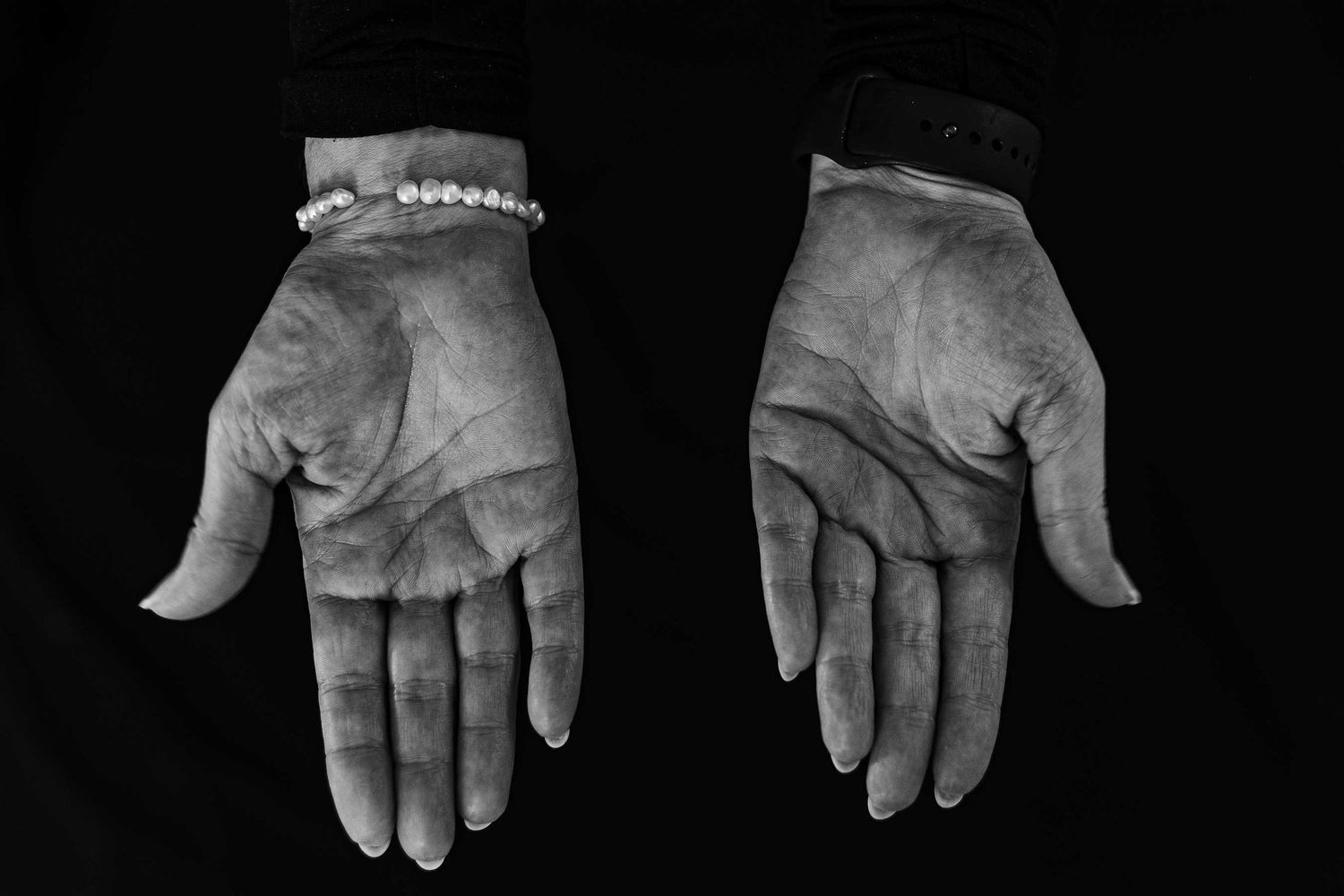
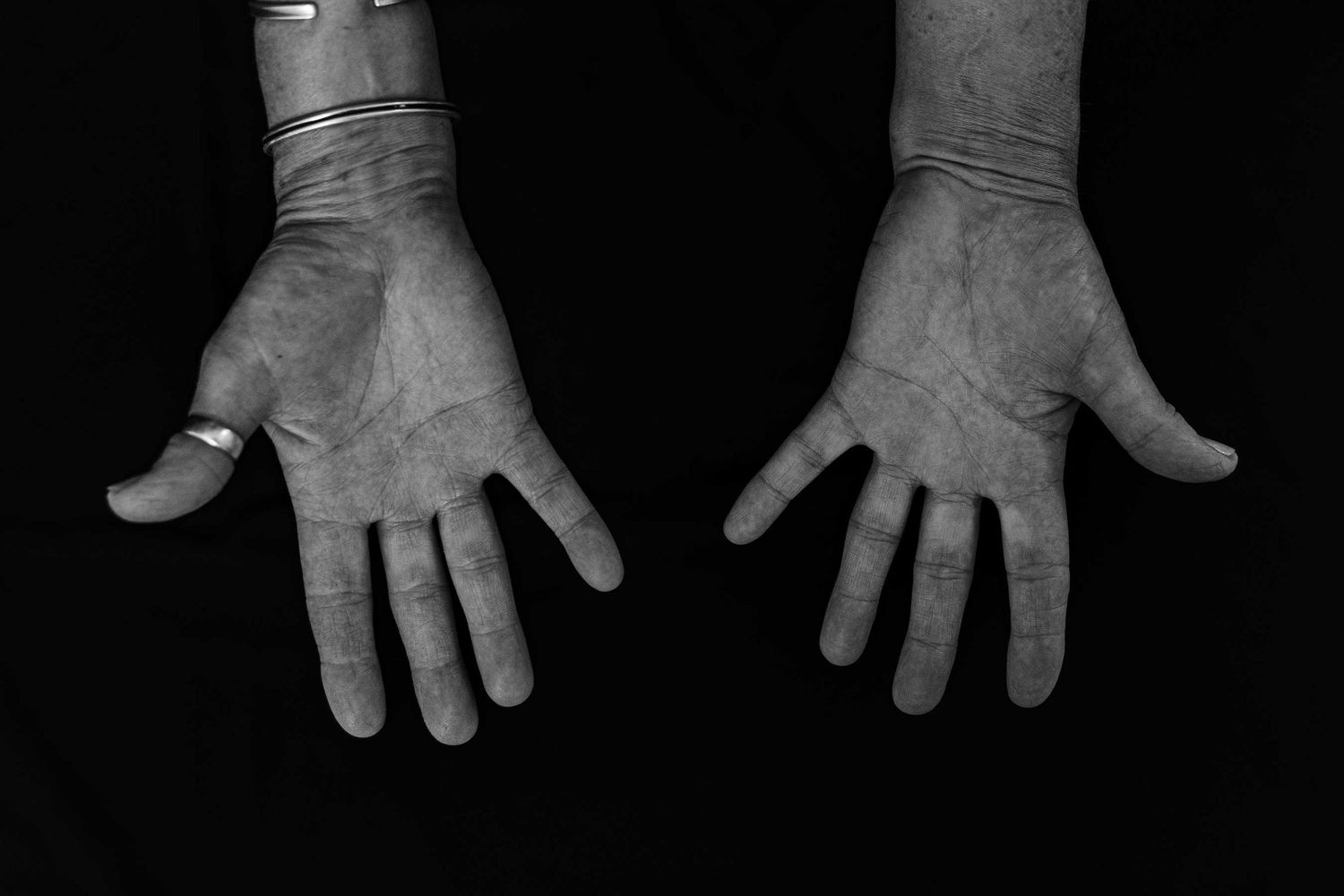
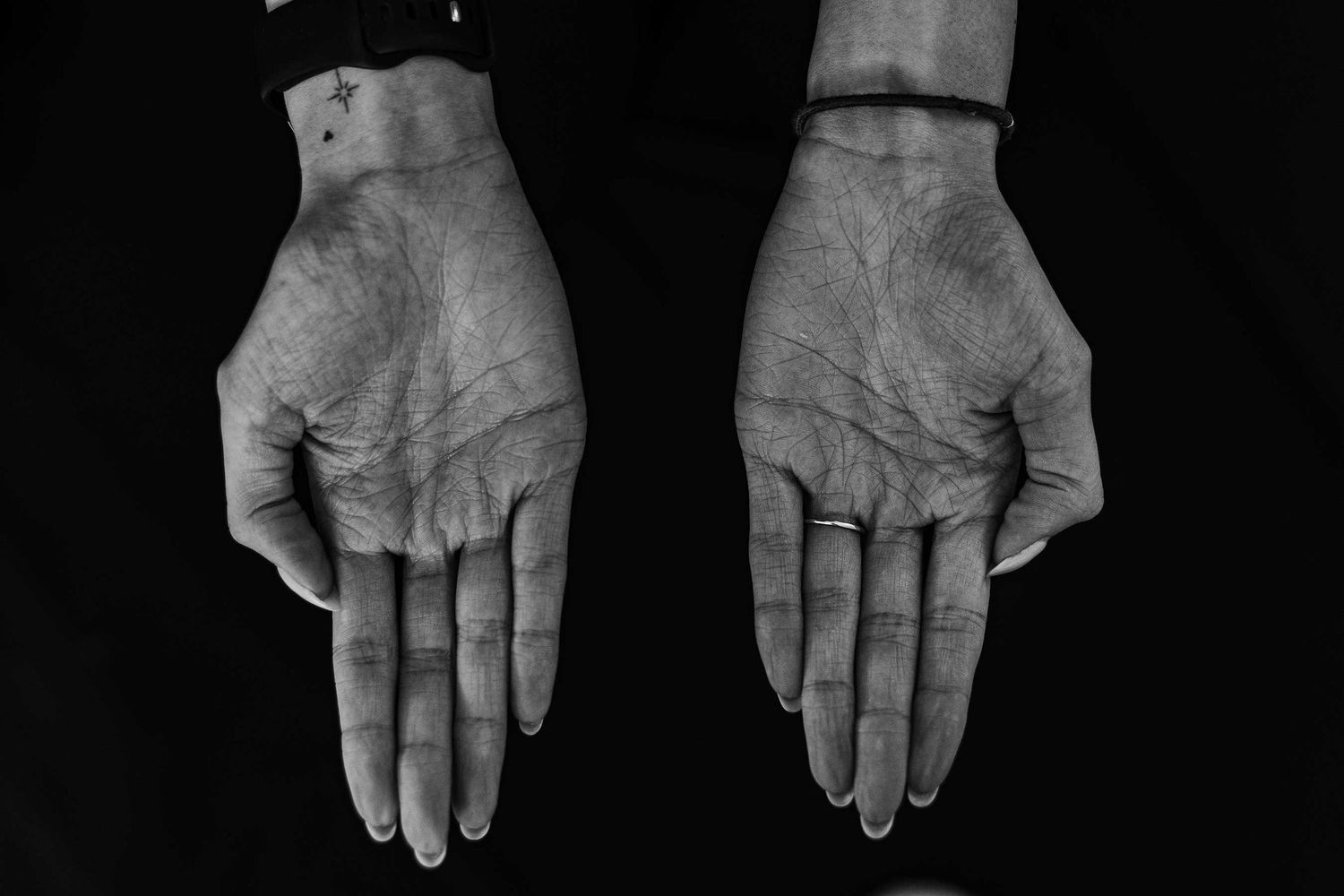
Every pair of hands tells two stories. One is the work they have done. The other is the person they have become.
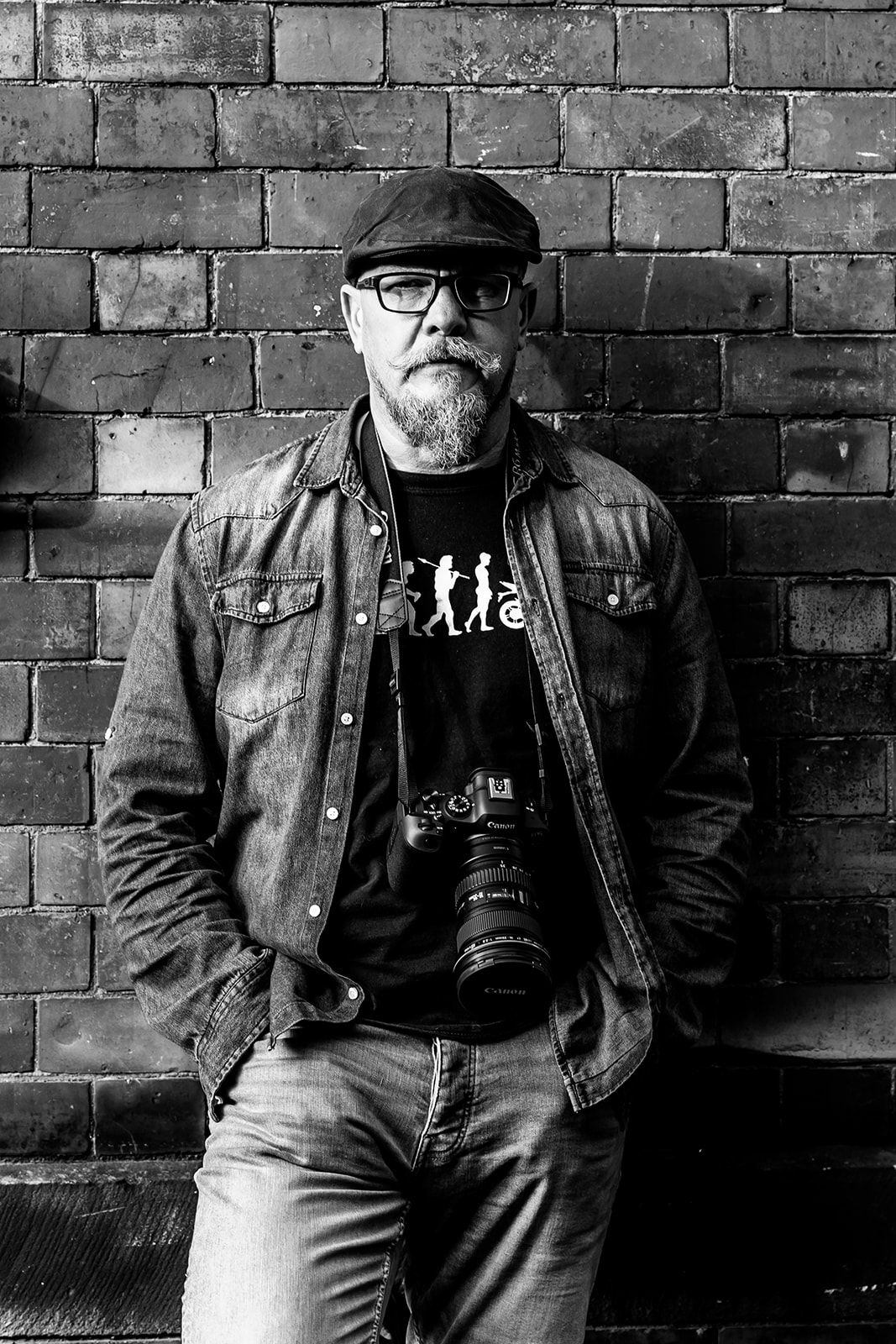
behind the camera
Rob Kirman
Photographer · Teacher · Storyteller
Working Hands reminded me that hands are more than tools of a trade, they're a record of a life. Every scar, every callus and every careful movement spoke of years spent learning, refining and caring deeply about doing a job well. Photographing these remarkable people reinforced my belief that the best stories are often found in the quiet pride of everyday work.
Continue reading
Photography has introduced me to remarkable people and unexpected stories. I hope you've enjoyed this one. You may also enjoy:
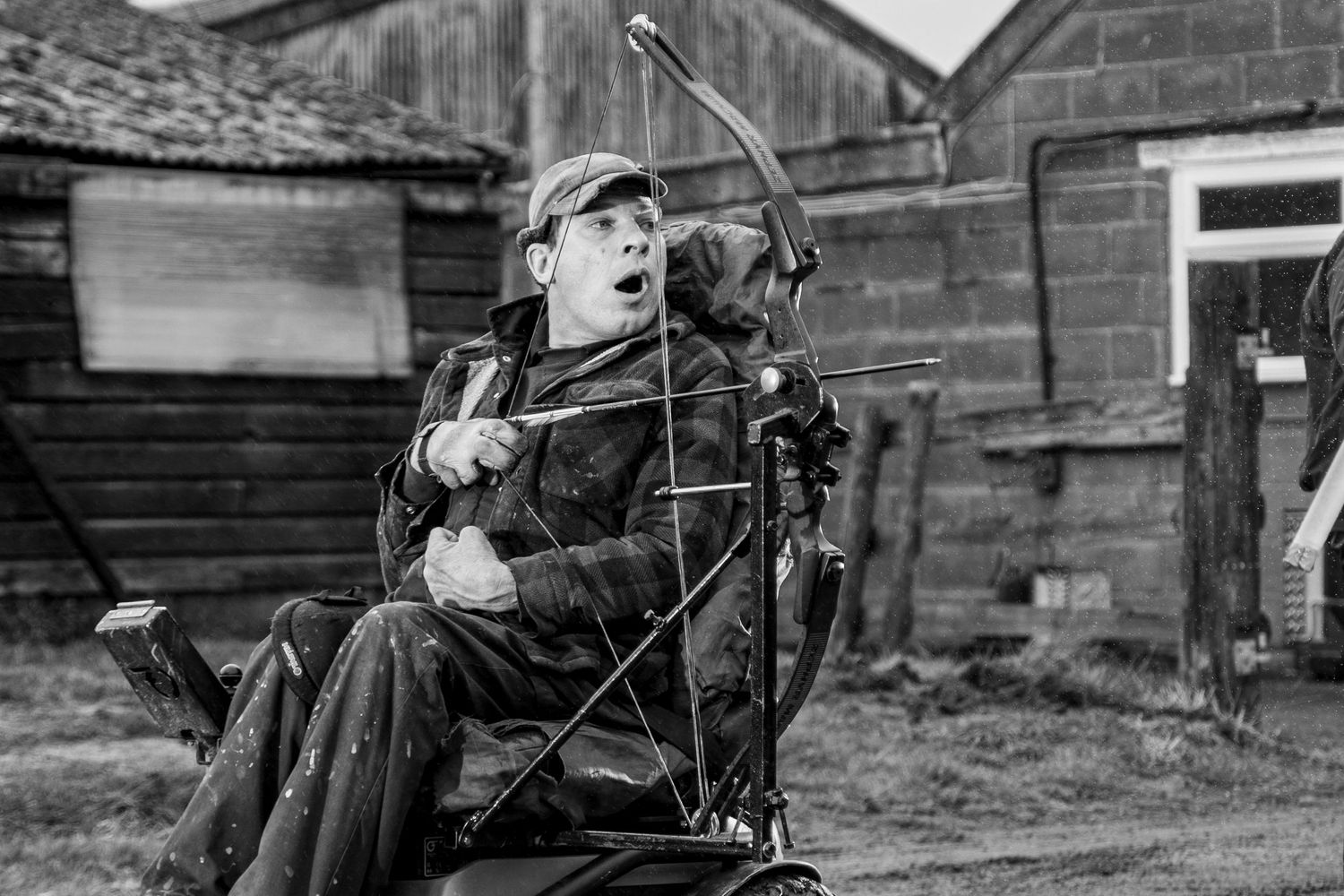
Pete
A story of resilience, humour and quiet determination that grew into an enduring friendship.
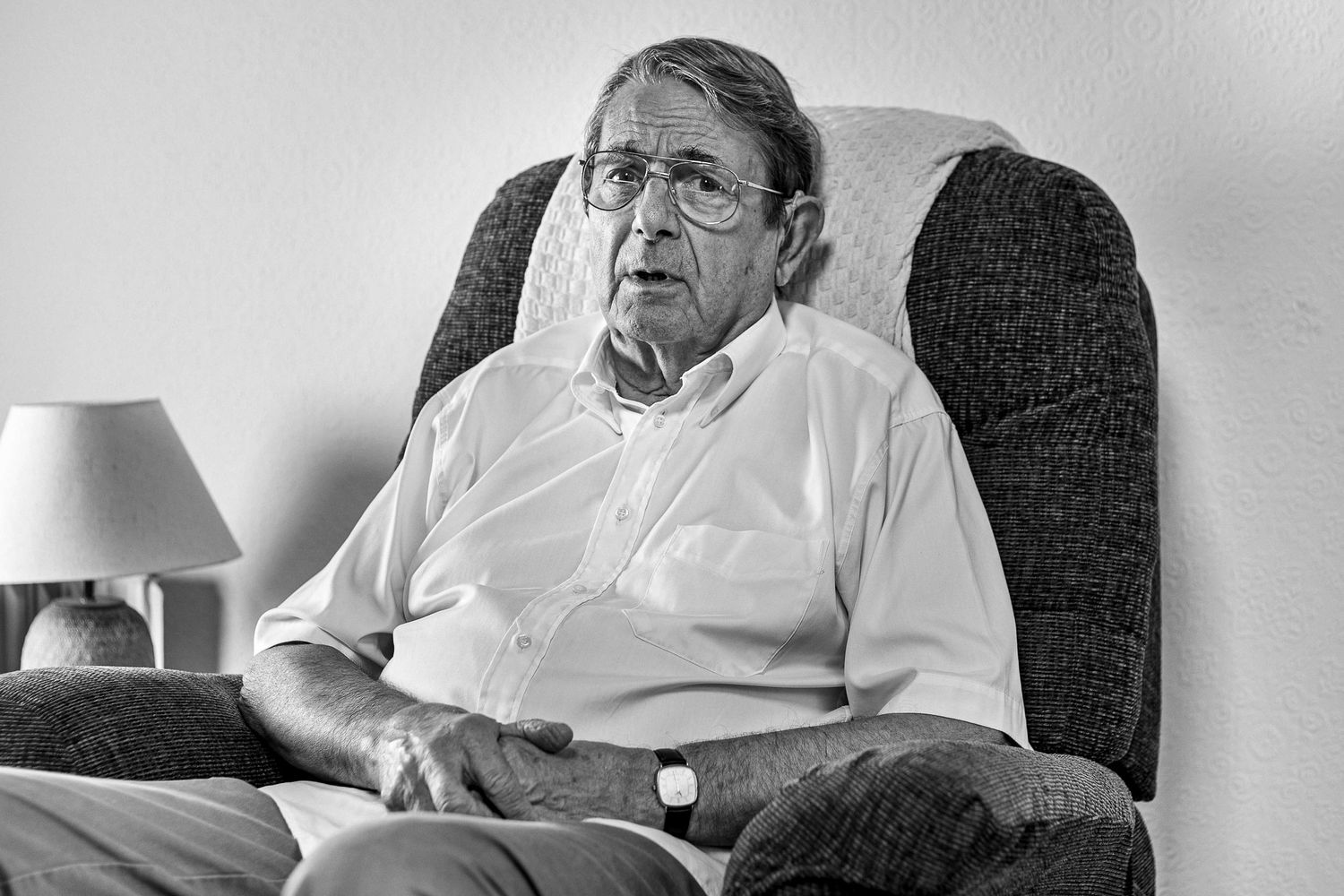
Don't Die of Embarrassment
The story behind a project that challenged silence, inspired conversations and encouraged men to take action.
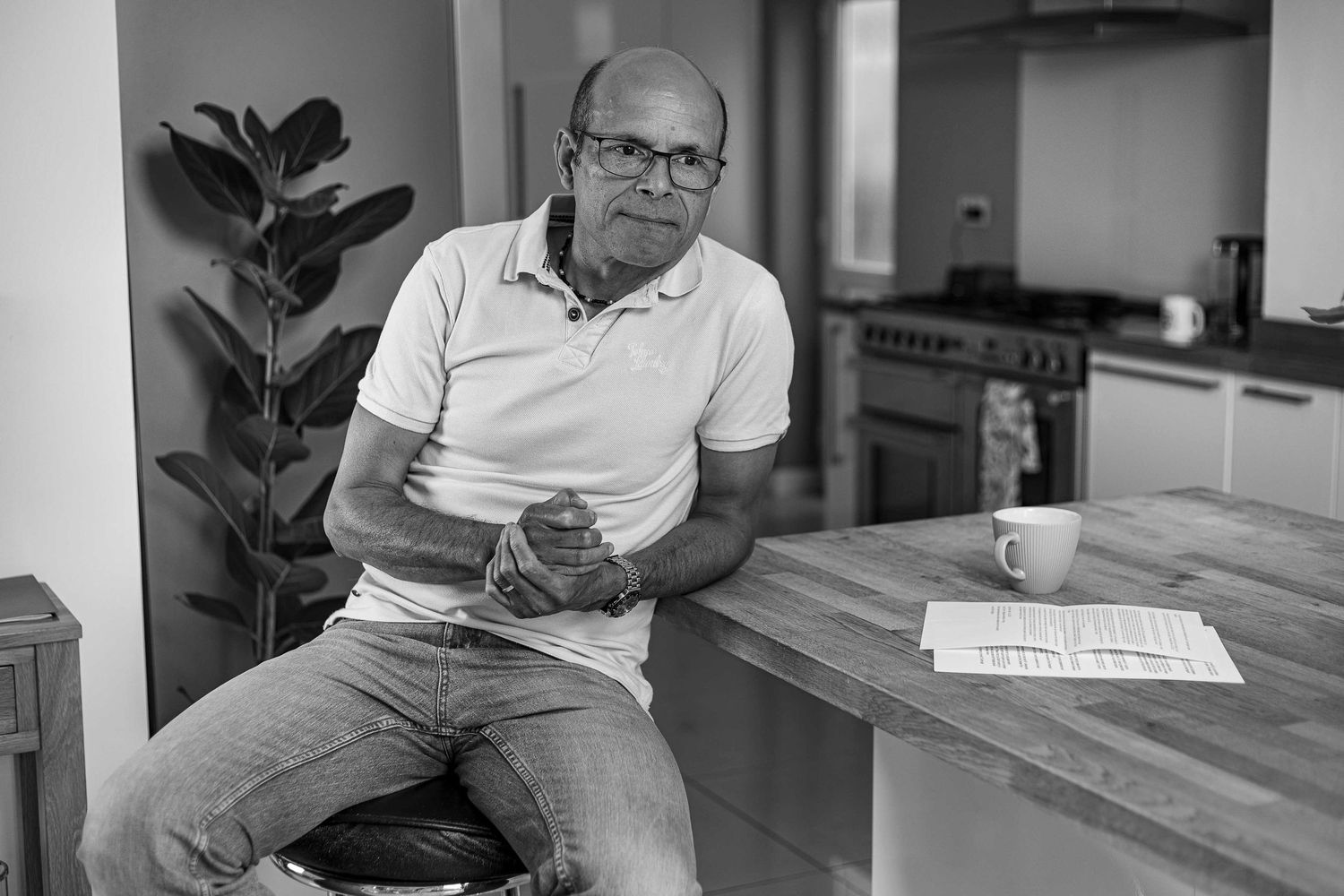
Everything Begins With People
A reflection on why people, not cameras, have always been at the heart of my photography.
New Name, Same Commitment to People
Sometimes the most significant changes happen quietly.
ROB KIRMAN
PHOTOGRAPHY

Everything Begins With People.